The native currency for the Solana network is SOL, a high-performance Layer-1 blockchain that combines unique consensus mechanisms to deliver speed and low transaction costs. Developed by a team of networking engineers, the protocol is built to serve as the high-speed infrastructure for modern, high-volume decentralised applications (dApps).
The technology: Proof-of-History and high throughput
Solana achieves its speed and high throughput by integrating two systems: Proof-of-Stake (PoS) and Proof-of-History (PoH).
- Proof-of-Stake (PoS): This mechanism secures the network and is used for network operations and staking rewards.
- Proof-of-History (PoH): PoH acts as a cryptographic clock to synchronize time across the network, creating a verifiable and sequential record of events. This eliminates the need for validators to wait to confirm the sequence of transactions, enabling the network to process transactions efficiently and reach consensus in seconds.
This combined architecture enables exceptionally low transaction fees (typically fractions of a cent) and rapid transaction finality, a major benefit for both end-users and Web3 developers.
Exploring the Solana Ecosystem (DeFi, NFTs, and Gaming)
The scalability, low fees, and fast finality of the Solana network have made it a popular hub for various Web3 activities.
- DeFi (Decentralised Finance): Solana hosts a thriving DeFi sector, supporting fast trading, lending, and liquidity protocols (DEXs).
- NFTs and Gaming: The speed of the network is perfectly suited for high-volume activities like NFT marketplaces and blockchain gaming, where quick and low-cost minting and transfers are essential for a good user experience. This includes the ability to swap tokens.
- SPL Tokens: The network utilizes SPL tokens (similar to Ethereum’s ERC-20 standard) for fungible and non-fungible assets, all of which can be securely managed with your Ledger hardware wallet. SPL tokens are solana based tokens.
How does a Solana wallet work?
A Solana wallet doesn’t physically store your SOL; the crypto always remains on the Solana network. Instead, a wallet is a tool for securely generating and holding your unique set of cryptographic keys, which control access to your funds.
Public vs. Private Keys
Solana wallets, like most cryptocurrency storage tools, function using pairs of public and private keys. Each tool can generate a virtually unlimited number of key pairs, allowing you to manage multiple blockchain accounts efficiently.
- Private Key: This is a unique and lengthy string that grants access to a specific account. To send or withdraw funds, you must use the associated private key. Because anyone with access to this key can control the account, it is crucial to keep it secure and confidential.
- Public Key: In contrast, sharing your public key is completely safe. It is what you provide when you want to receive SOL or other assets, with your blockchain address serving as a more readable version of this key.
The self-custody advantage
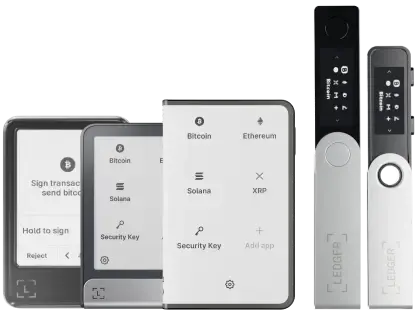
Non-custodial wallets, like the ones Ledger provides, give you full control over your private keys and, therefore, your funds. By using a Ledger hardware signer, you ensure these keys are isolated and protected by the Secure Element chip, maintaining true self-custody and ownership.
What are the different types of Solana wallets?
To manage your Solana (SOL) and NFTs, you must choose a wallet that matches your needs for convenience versus security. Wallets generally fall into three main categories:
Hot wallets (software wallets)
These are applications, browser extensions, or mobile apps (like Phantom or Solflare). They are connected to the internet, offering maximum convenience and quick access to Solana dApps, DeFi, and NFT marketplaces.
- Security Risk: Because your private keys are encrypted and stored on an internet-connected device (your phone or computer), hot wallets are vulnerable to online threats like malware, phishing scams, and browser exploits.
- Best Use: Day-to-day spending, high-frequency trading, and small amounts of funds.
Custodial wallets (Exchanges)
These wallets are provided by centralized exchanges (like Coinbase or Binance). They are easy to use but are the opposite of self-custody.
- Security Risk: The exchange holds your private keys. If the exchange is hacked, goes bankrupt, or freezes your account, you can lose access to all your funds (“Not your keys, not your coins”).
- Best Use: Buying and selling quickly, but assets should be moved to non-custodial storage immediately after purchase.
Cold wallets & hardware wallets (Ledger’s solution)
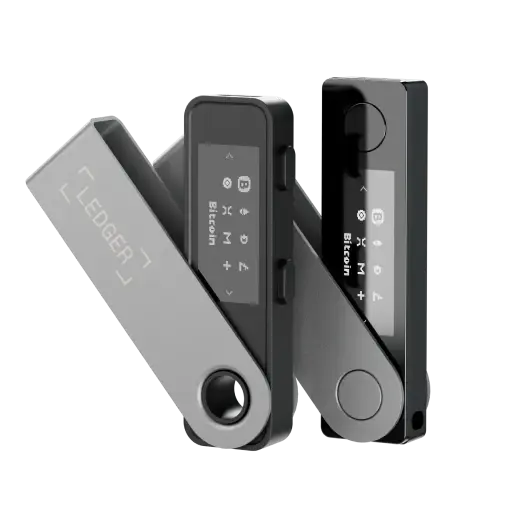
These are physical, external devices (like Ledger) that are designed to keep your private keys completely offline, in cold storage. They are always non-custodial.
- Security Advantage: Your keys are secured on a certified Secure Element chip and never touch the internet, protecting you from malware, exchange hacks, and phishing.
- Best Use: Long-term storage, holding high-value assets (like Solana NFTs), and securing large SOL balances.
- Optimal Strategy: The most secure method is to pair a hot wallet (like Phantom) with a hardware wallet (like Ledger), using the hot wallet for viewing and the cold wallet for secure transaction signing.
The native currency, SOL, is essential for securing the network, paying low transaction fees, and accessing the full utility of the Solana ecosystem. To participate, you need a secure Solana wallet to hold your keys, manage your SOL, and interact with all decentralised applications (dApps) on the network. A non-custodial crypto wallet, like Ledger, gives you full control over your private keys.