
HOLIDAY SEASON: Save up to 50% and get up to $90 BTC on the best deals of the year

Shop now


$

%
Rank
Price $ %
Volume(24h) $
Market cap $

PRICE USD CHART

price today

The price of () today is $, which has a variation of % over the last 24 hours. The 24 Hour Trading Volume of is $

Market Cap

The current Market Cap ranking of is #, with a live market cap of $.

What is the all time high?

hit an all time high of $.

With a price of $ today, () is % from all time high.

What is the all time low?

had an all time low of $.

With a price of $ today, () is % from all time low.

Frequently Asked Questions

Theta Network is a blockchain protocol that seeks to incentivize a global network of computers to operate a decentralized video content streaming platform. It aims to improve and decentralize the process of content creation, from the ideation (creating) and delivery (streaming) to its consumption.


To fulfill this goal, Theta Network seeks to reduce content delivery costs worldwide by decentralizing a process and incentivizing content creators to build a mesh network of shared content.


The Theta blockchain network operates as a decentralized network and aims to improve the limitations of the current video stream industry – centralization, high costs, and poor user experience. Moreover, it aims to empower content creators by allowing them to earn a larger part of the revenue as there are no costs for intermediaries. 


The Theta Network has a two token model:

  1. THETA tokens,
  2. and TFUEL


THETA tokens are governance tokens and have a limited supply of 1 billion. They are distributed to users as an incentive to build a mesh network with shared content. Moreover, the THETA tokens are also used in the governance process and are required by users and validators who run nodes on the Theta blockchain.


Validators and Guardians nodes need THETA tokens to run and validate transactions, produce blocks, and participate in governance. As a reward for their service, users running these nodes are paid with TFUEL tokens. TFUEL is also used on the network to pay for transaction fees and cover costs of deploying smart contracts and dApps.

Theta Network has three main components:

  • Enterprise Validator Nodes – Validators run by world-renowned multinational companies that put their reputation on the line to become transaction validators on the network and stake THETA tokens. Some of the current Enterprise Validator Nodes on the Theta network include Google, Binance, Samsung, etc.
  • Guardian Nodes – Community-run nodes that keep a check of the Enterprise Validator Nodes. These nodes ensure that the transactions are being validated accurately and that the Theta blockchain is producing blocks as required.
  • Edge Nodes – Users that share their bandwidth and stream their content on the network and receive TFUEL tokens as a reward. 

From a technical perspective, the Theta Network leverages the following features:

  • Modified Byzantine Fault Tolerance (BFT) consensus mechanism – BFT is a Proof of Stake (PoS) consensus mechanism used on the Theta Network for governance. In this mechanism, the different nodes and validators on the network ensure that the blockchain is running smoothly and transactions are being validated accurately.
  • An off-chain pool for micropayments – This system uses the community-run Guardian nodes to allow an aggregate signature gossip scheme and enable easy and quick communication from a set of nodes to the next node while validating transactions. Without this system in place, there would be significant communication overhead if a partial aggregation of signatures between nodes needs to be passed (gossiped) to the next node.


Theta was founded in 2017 by Mitchell Liu and Jieyi Long. The team announced the project in November 2017. Afterwards, they organized a private token sale in 2017 and raised $20 million in funding by selling 30% of the 1 billion THETA token supply.


The THETA token was minted and launched as an ERC-20 token. Later, when Theta went live on Mainnet on March 16, 2019, these ERC-20 tokens were converted to native THETA tokens that operated exclusively on the Theta blockchain.


In May 2020, the team introduced an update to the Theta blockchain with Mainnet 2.0. The update introduced Guardian nodes into the consensus in addition to the Enterprise Validator Nodes run by global powerhouses like Binance and Google.


Theta launched another upgrade in July 2021 with Mainnet 3.0. This update saw the addition of smart contract functionality to the Theta blockchain intending to bolster network activity through the development of decentralized applications.

The Theta Network uses the Proof of Stake consensus mechanism, which leverages the Byzantine Fault Tolerance system to maintain the security of the blockchain while ensuring high transaction throughput. Moreover, the Theta Network has a two-level consensus mechanism of nodes in the form of Enterprise Validator Nodes and Guardian Nodes that the community members run by staking the THETA token.


However, online theft and fraud are typically not conducted by directly attacking the blockchain networks. Instead, attackers target individual user wallets by exposing their private keys. Such malicious actors trick users into revealing their private keys or attack systems with malware.


Hardware/cold wallets overcome this vulnerability by storing private keys in physical storage devices cut off from the internet and, therefore, out of the reach of malicious actors.

Cryptocurrencies like THETA can be bought on centralized (CEXs) and decentralized (DEXs) exchanges. However, both types of platforms have vulnerabilities in terms of security.


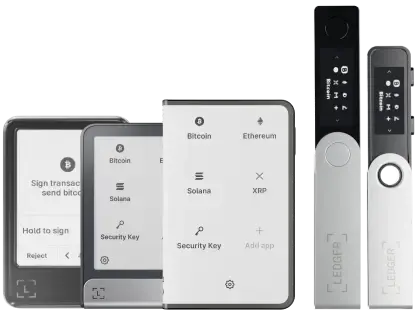
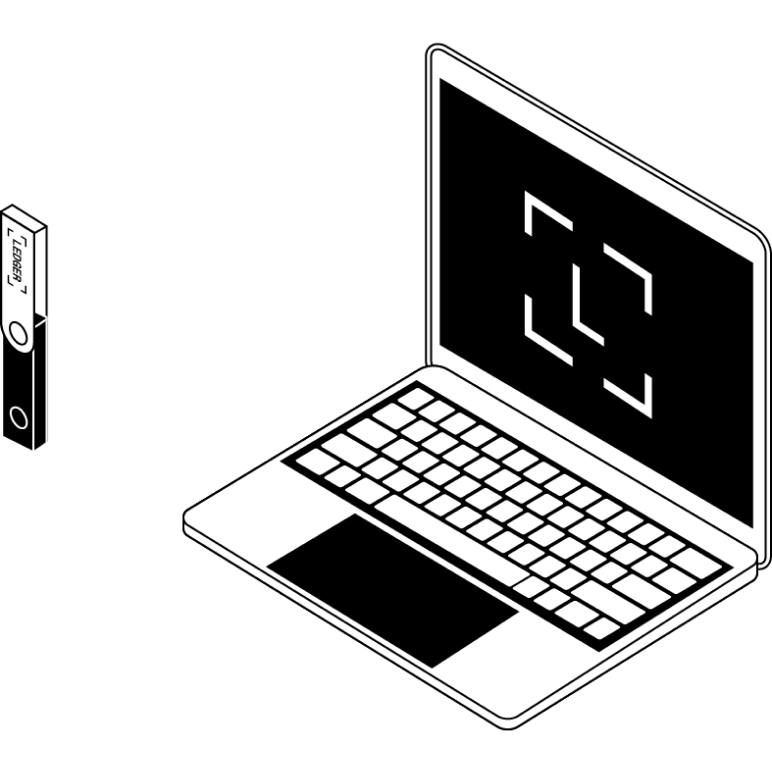
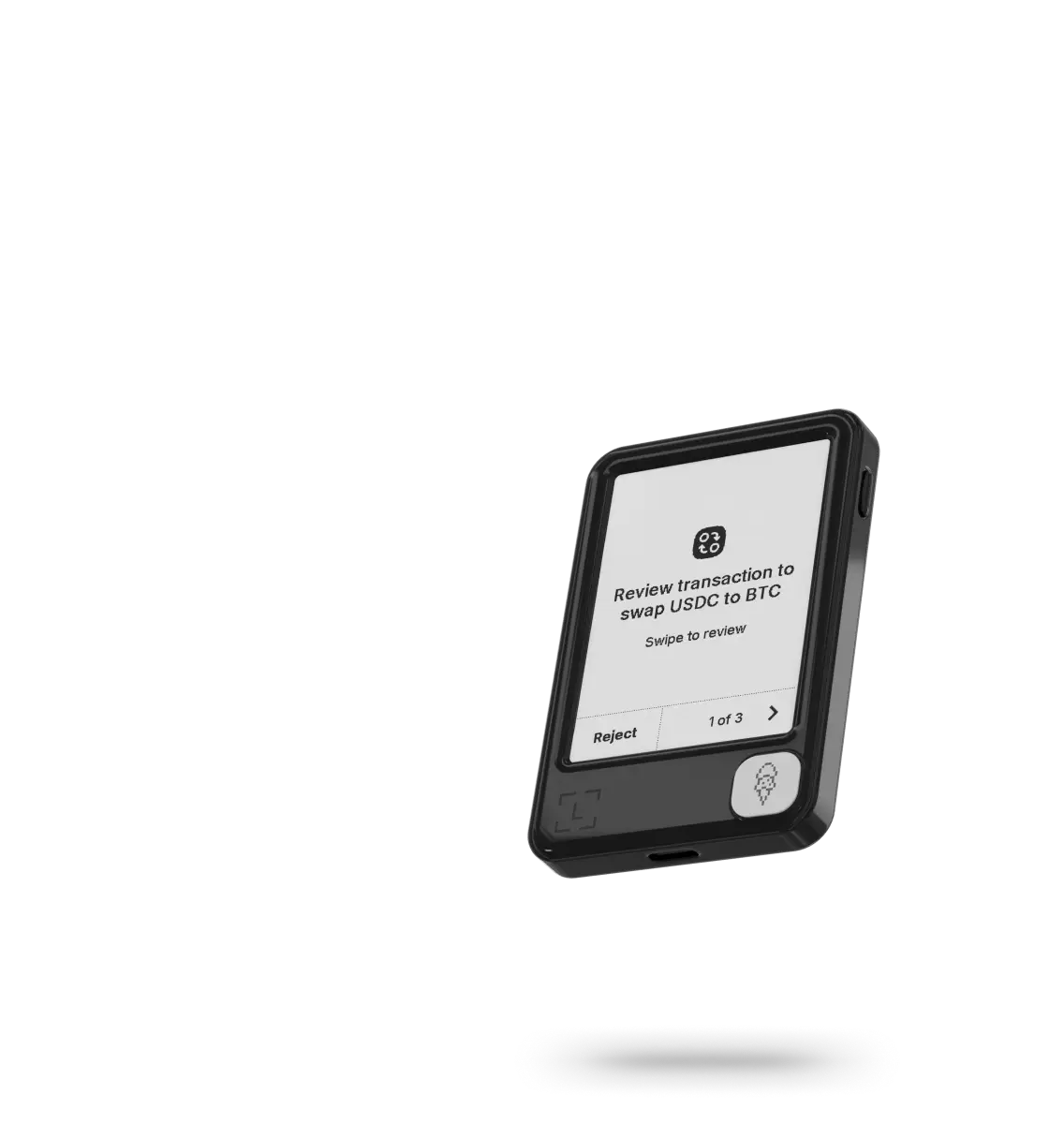
Ledger hardware wallet enables users to store assets securely by saving the users’ private keys offline. In addition, users can find 1800+ cryptocurrencies on the Ledger Live app. Although it’s currently not possible to purchase THETA on Ledger Live, users can store and send/receive THETA. Here’s how you can do it:

  1. Get a Ledger hardware wallet.
  2. Download and install Ledger Live web or mobile application.
  3. Connect the Ledger Live app with the Ledger hardware wallet.
  4. Install the Ethereum application.
  5. Send/receive THETA  tokens.

Ledger Wallet™
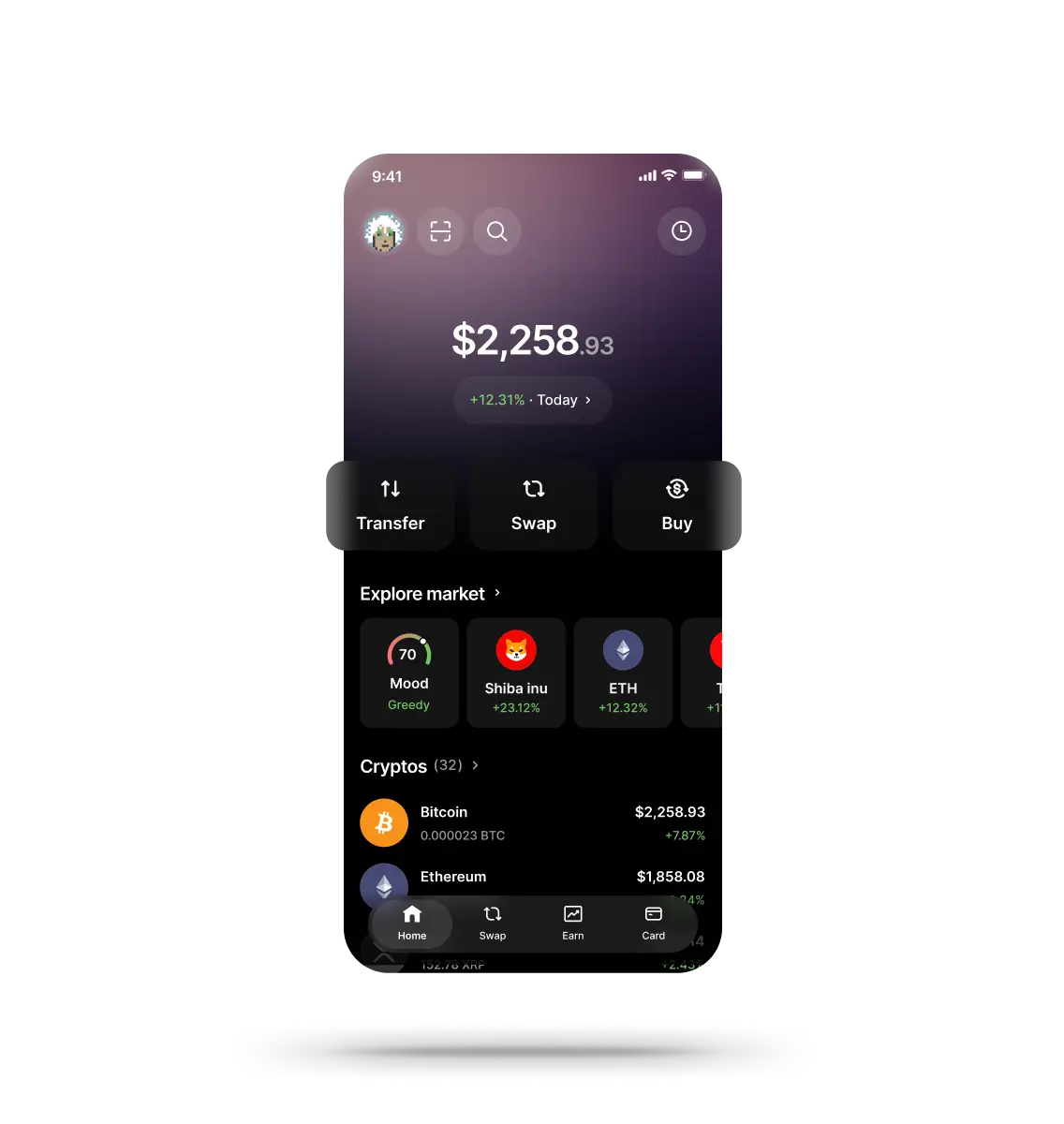
the all-in-one crypto app

Your assets. Your rules. Your future.

Available on Mobile & Desktop
Top up with ease

Top up with ease

Choose how you want to fund your accounts: Buy, Sell, Send, Receive.

Connect to dApps

Connect to dApps

Confidently navigate the DeFi landscape from a single secure space.

Diversify your assets

Diversify your assets

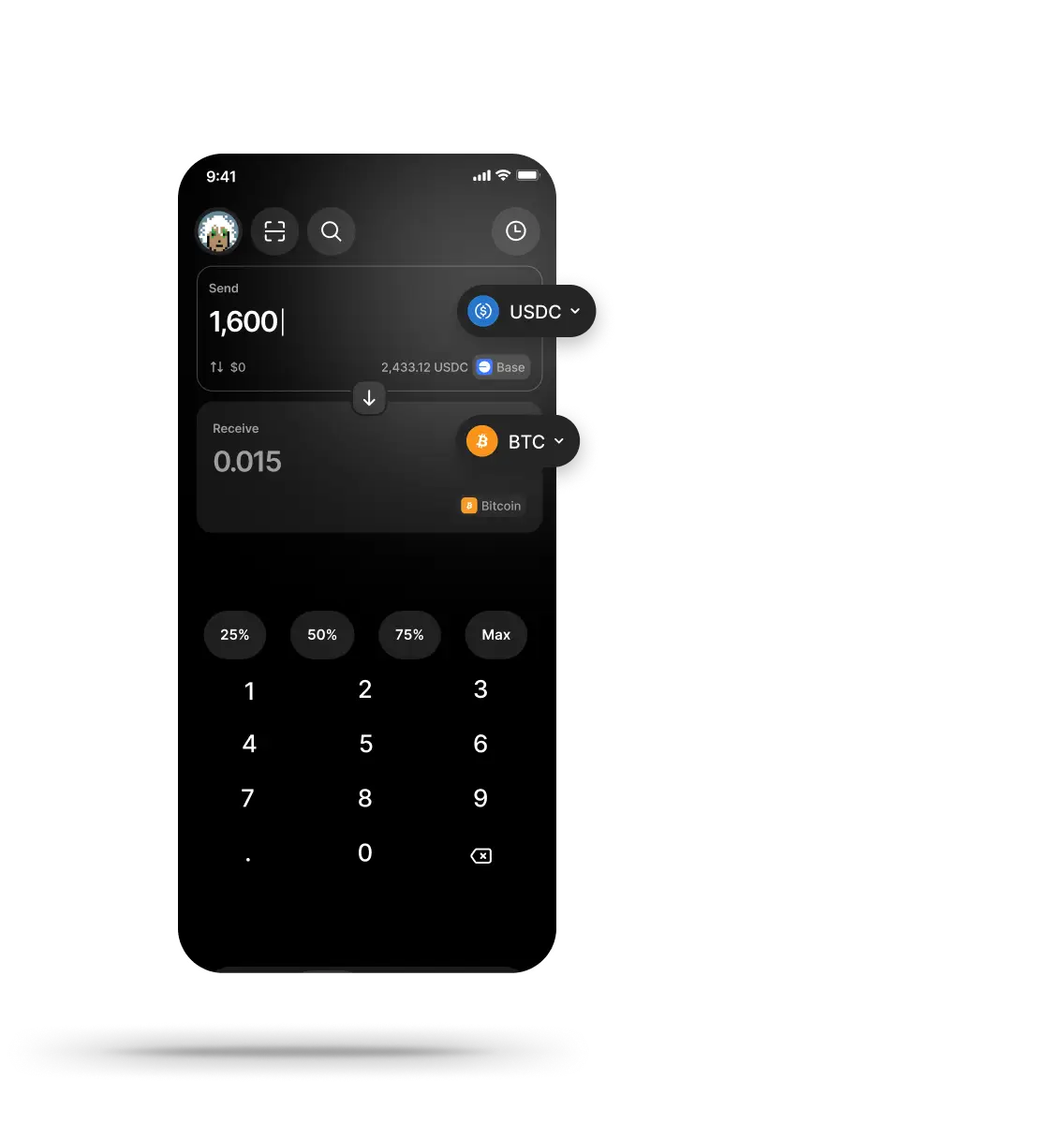
Swap securely across chains, CEX, DEX. Compare providers with clarity.

Grow your portfolio

Grow your portfolio

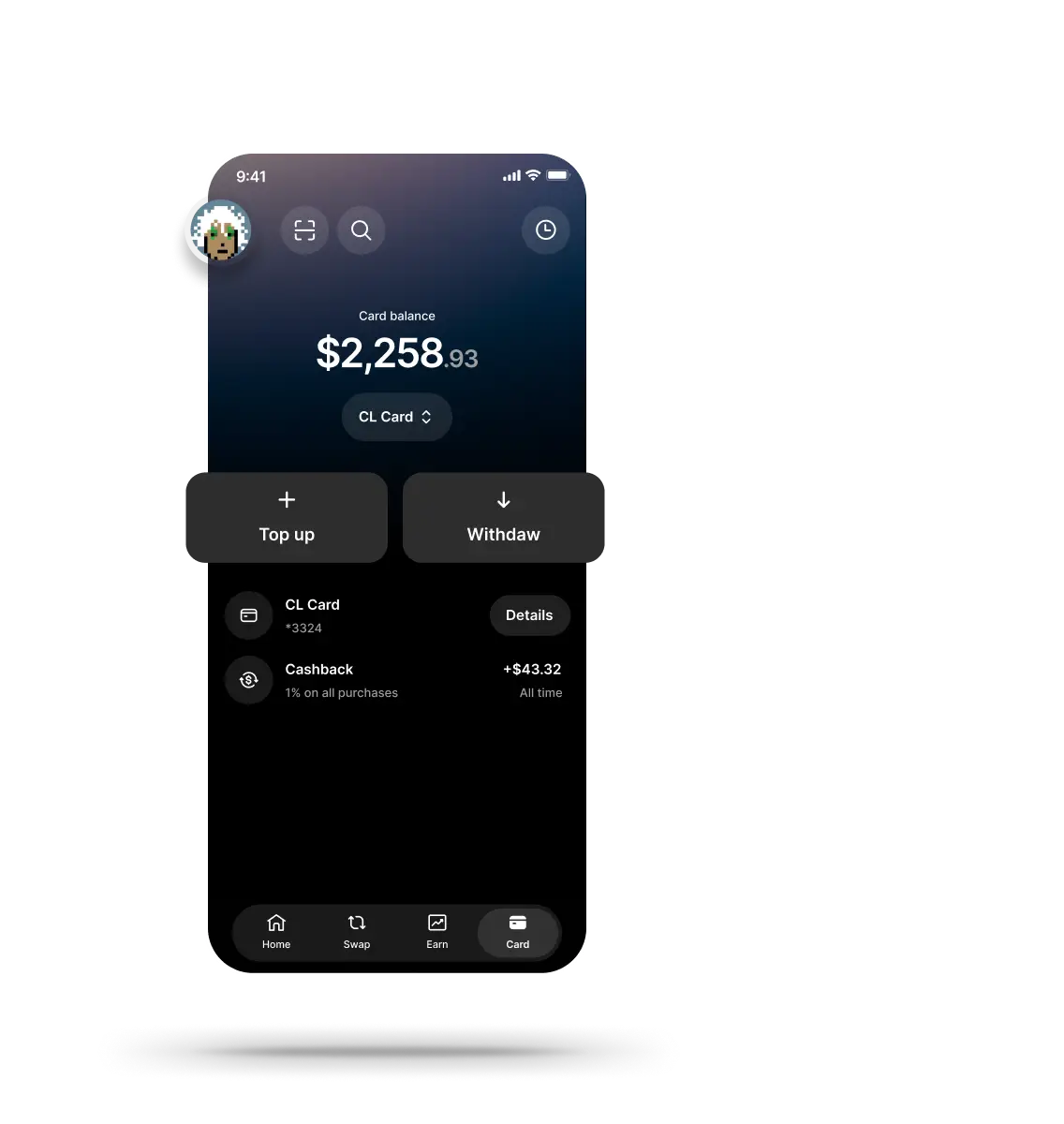
Put your crypto to work for you by staking. Earn cashback by shopping worldwide.

Ledger Wallet™ the all-in-one crypto app

Stay in touch

Announcements can be found in our blog. Press contact:
[email protected]

Subscribe to our
newsletter

New coins supported, blog updates and exclusive offers directly in your inbox


Your email address will only be used to send you our newsletter, as well as updates and offers. You can unsubscribe at any time using the link included in the newsletter. Learn more about how we manage your data and your rights.