
HOLIDAY SEASON: Save up to 50% and get up to $90 BTC on the best deals of the year

Shop now

Hedera
HBAR

$0.138463

0.67%
Rank 33
Price $0.138463 0.67%
Volume(24h) $157,374,735
Market cap $5,912,516,186

Hedera PRICE USD CHART

Hedera price today

The price of Hedera (HBAR) today is $0.138463, which has a variation of -2.53% over the last 24 hours. The 24 Hour Trading Volume of Hedera is $157,374,735

Hedera Market Cap

The current Market Cap ranking of HBAR is #33, with a live market cap of $5,912,516,186.

What is the Hedera all time high?

Hedera hit an all time high of $0.57.

With a price of $0.138463 today, Hedera (HBAR) is -75.68% from all time high.

What is the Hedera all time low?

Hedera had an all time low of $0.009861.

With a price of $0.138463 today, Hedera (HBAR) is 1,304.13% from all time low.

Frequently Asked Questions

Hedera Hashgraph is a distributed ledger technology designed to serve as a sustainable, enterprise-grade public network for the decentralized economy, allowing people and corporations to build powerful decentralized apps. 


It aims to provide a more efficient and fairer system that overcomes some of the drawbacks of blockchain-based systems, such as slow performance and instability. It uses a novel consensus technique mechanism known as hashgraph, which allows it to process and complete many transactions quickly.


HBAR is the Hedera network’s native, energy-efficient cryptocurrency. HBAR tokens play a dual role in the network: they fuel the decentralized applications built on the Hedera blockchain and ensure the Hedera network’s safety.

  • HBAR as Network Fuel – Developers use HBAR tokens to pay for the Hedera network’s services, such as transferring HBARs, maintaining fungible and non-fungible tokens, and data recording. They are also used to reimburse network nodes for bandwidth, computation, and storage for each transaction sent to the network.
  • HBAR for Network Protection – The HBAR token is used for staking as part of Hedera’s proof-of-stake consensus mechanism. This helps maintain the network’s security by validating each transaction on Hedera.


Additionally, the Hedera network offers the following functionalities:

  • Smart Contracts – Smart contracts are used for building decentralized applications or dApps on the Hedera blockchains. These dApps are built for different use cases such as decentralized finance, NFTs, GameFi, etc.
  • File Service – Hedera offers a file service for distributed file storage with control features like append and delete.
  • Consensus Service – Hedera offers a robust consensus mechanism that enables applications that require trust to attain a fast, fair, and secure consensus.


Hedera Hashgraph’s most significant feature is its hashgraph data structure for grouping transactions. Hashgraph consensus is a non-blockchain consensus technique that claims to handle more transactions more cheaply than other blockchain networks.


All nodes in the hashgraph are actively exchanging information with one another. There are two sorts of nodes that power the Hedera network:

  • Consensus nodes – These are maintained by Council members and are compensated daily for bandwidth, storage, and computation costs.
  • Mirror nodes – These are a low-cost approach to query previous data without sacrificing trust. 


Additionally, Hedera Hashgraph is governed by the Hedera Governing Council, which is responsible for administering the consensus nodes. This council is responsible for managing the Hedera blockchain, voting on proposals and chaps, resource allocation, and safeguarding the network’s legal standing in various countries.


For transactions to be executed on the Hedera blockchain, clients need to pay fees in HBAR tokens. These fees are charged in HBAR but denominated in USD to overcome the discrepancies in data associated with market volatility. The Hedera network adjusts the exchange rate between HBAR and USD every hour to follow the market price, giving clients fee stability.

Leemon Baird, a computer scientist, and Mance Harmon, a technology executive, developed Hedera Hashgraph. In 2015, Baird and Harmon co-founded a company called Swirlds. This company later became Hedera and then was renamed to Hedera Hashgraph.


In August 2018, Hedera raised funds through an Initial Coin Offering (ICO), where investors were given an opportunity to buy HBAR tokens at the lowest possible price. Additionally, Hedera Hasgraph has also raised $124 millions since 2018 by selling HBAR tokens via a SAFT (Simple Agreement for Future Tokens) Offering.


In September 2019, Hedera Hashgraph launched its mainnet. 


Over the years, Hedera has formed partnerships and collaborations with many world-renowned companies and institutions like Boeing, LG, IBM, and University College London. Hedera Hashgraph also welcomed Google to its Governing Council in February 2020. The Council includes members like Eftpos, Standard Bank, and EDF.

Hedera Hashgraph employs a novel consensus technique called Hashgraph consensus to make its network safe. This mechanism uses a governing council responsible for operating the nodes that help maintain the Hedera blockchain. Moreover, the members of the governing council vote on important decisions related to the platform.


Additionally, Hedera employs a proof-of-stake (PoS) mechanism that allows HBAR users to stake their resources to boost the network’s security. Hedera’s security architecture provides “asynchronous” Byzantine fault tolerance (ABFT). It can guarantee the timing and order of a group of transactions even if some data is missing or delayed.


However, most online theft and fraud are conducted not by attacking the blockchain network but by targeting users’ online/hot wallets and exposing their private keys. Such malicious actors trick users into revealing their private keys or attack their system with malware.


Hardware/cold wallets overcome this vulnerability by storing private keys in physical storage devices cut off from the web and, therefore, out of the reach of malicious actors.

Widely used cryptocurrencies like Hedera (HBAR) are available on many centralized exchanges and decentralized exchanges (DEXs). CEX users compromise complete ownership over their crypto assets, as they do not have access to the private keys of the wallets holding their funds. Most CEXs also require KYC information these days, which is not ideal for people seeking privacy over their online activity.


DEXs are ideal for investors who prefer privacy and ownership over their assets. However, there are still some loose ends on the security front when online wallets are used, as they may expose private keys resulting in thefts and frauds. 


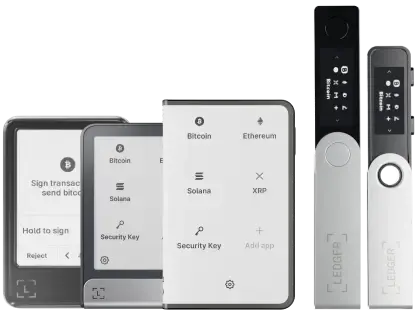
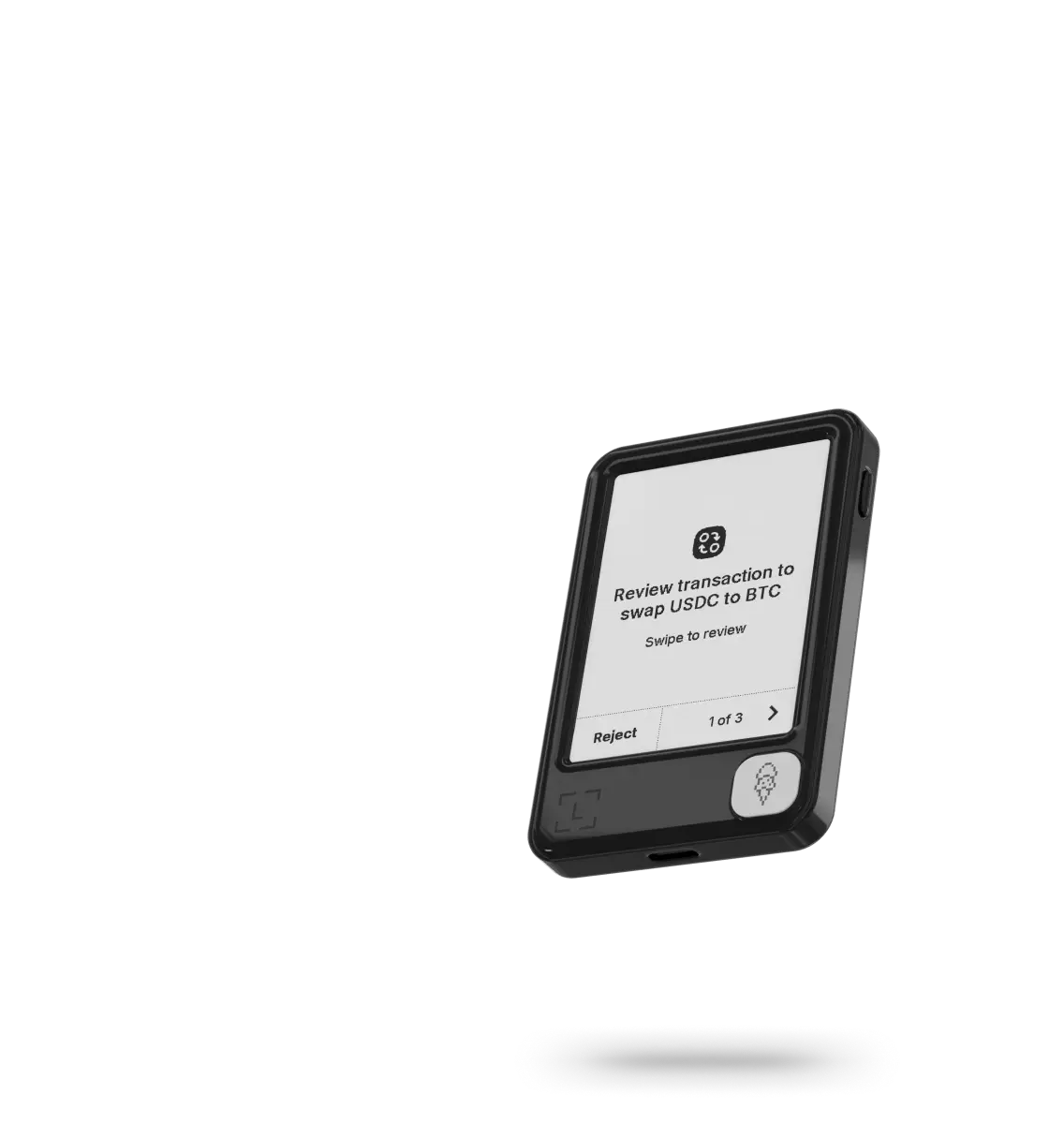
A Ledger hardware wallet saves your private keys offline and thus makes your crypto assets inaccessible for anyone except you in the event of a computer hack


Currently, the Ledger Live app does not support buying/selling of Hedera (HBAR). However, here’s how users can safely store on a Ledger hardware wallet and send/receive HBAR tokens via the app:

  1. Get a Ledger hardware wallet.
  2. Download and install Ledger web or mobile application.
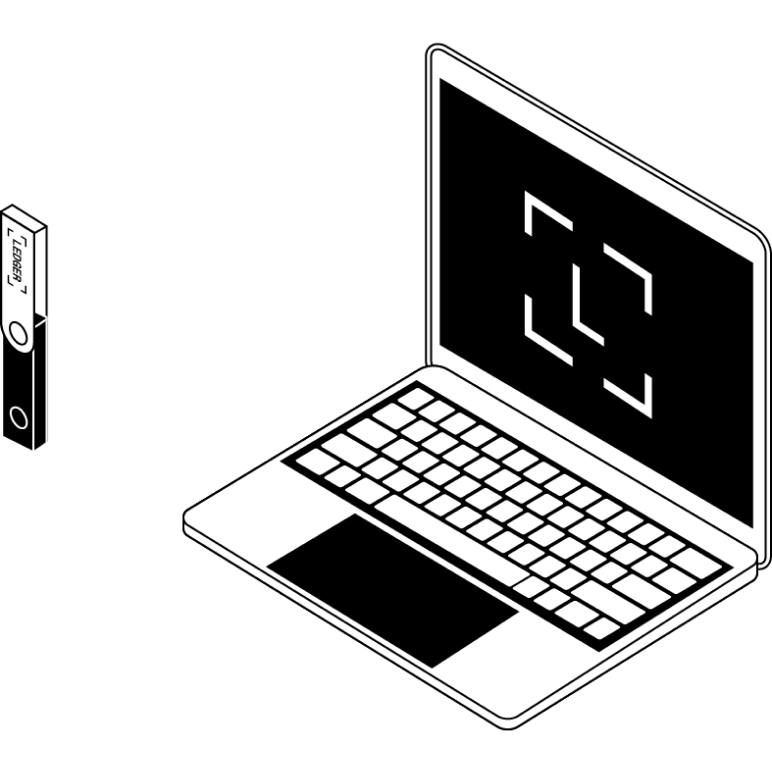
  3. Connect the Ledger app with the Ledger hardware wallet.
  4. Install the Hedera (HBAR) application from the app catalog.
  5. Send/receive HBAR tokens using Ledger Live.

Ledger Wallet™
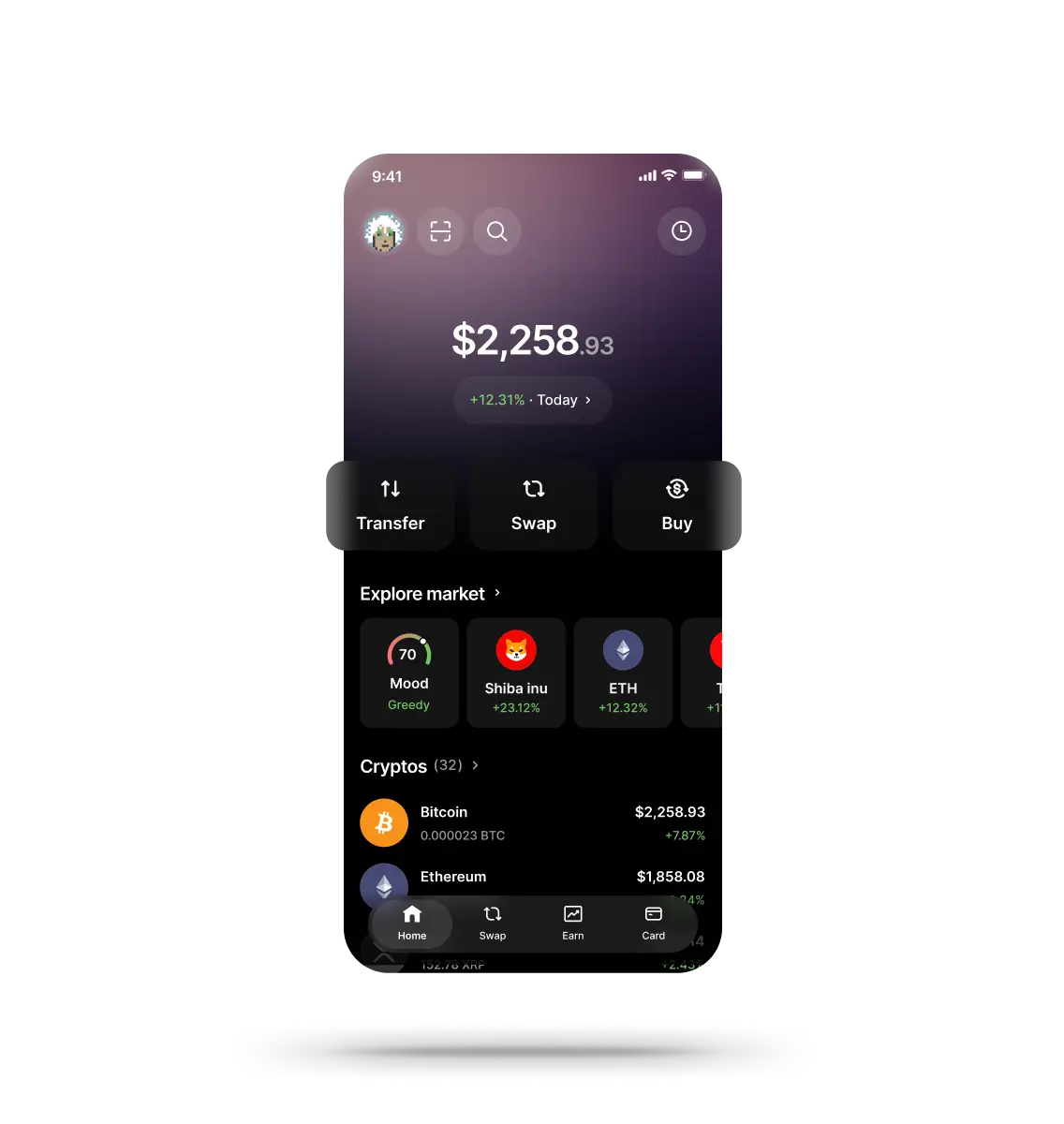
the all-in-one crypto app

Your assets. Your rules. Your future.

Available on Mobile & Desktop
Top up with ease

Top up with ease

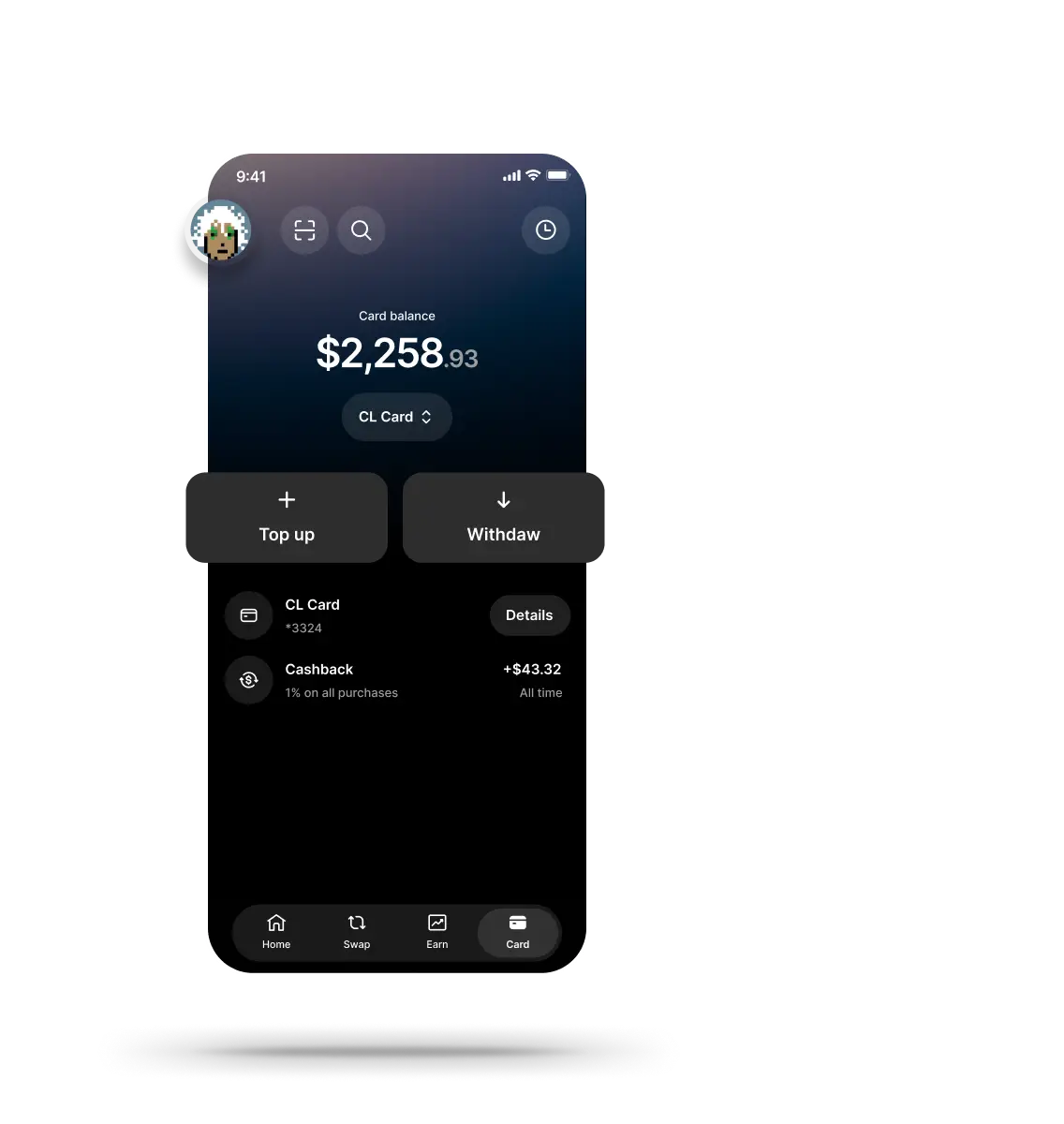
Choose how you want to fund your accounts: Buy, Sell, Send, Receive.

Connect to dApps

Connect to dApps

Confidently navigate the DeFi landscape from a single secure space.

Diversify your assets

Diversify your assets

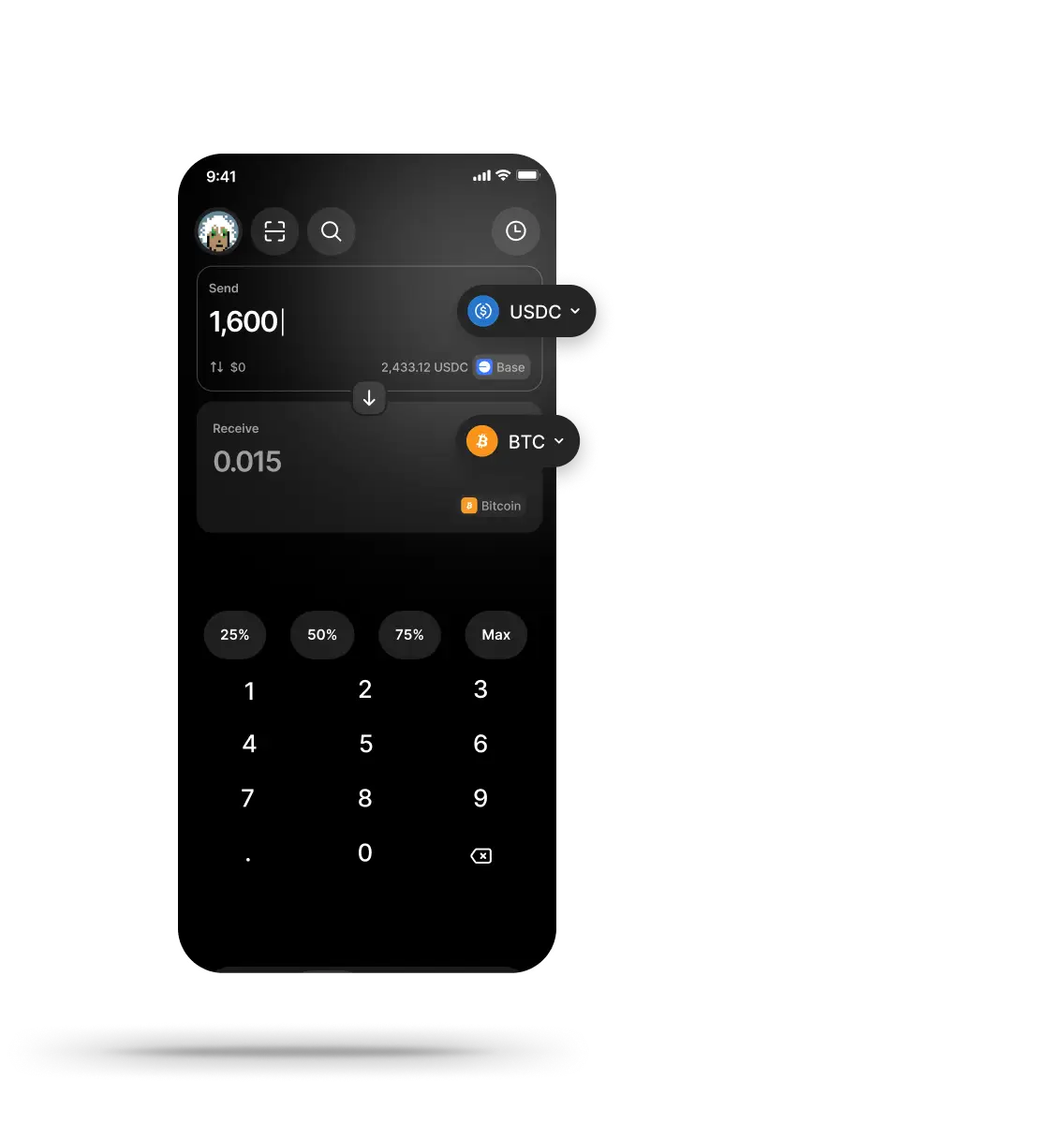
Swap securely across chains, CEX, DEX. Compare providers with clarity.

Grow your portfolio

Grow your portfolio

Put your crypto to work for you by staking. Earn cashback by shopping worldwide.

Ledger Wallet™ the all-in-one crypto app

Stay in touch

Announcements can be found in our blog. Press contact:
[email protected]

Subscribe to our
newsletter

New coins supported, blog updates and exclusive offers directly in your inbox


Your email address will only be used to send you our newsletter, as well as updates and offers. You can unsubscribe at any time using the link included in the newsletter. Learn more about how we manage your data and your rights.