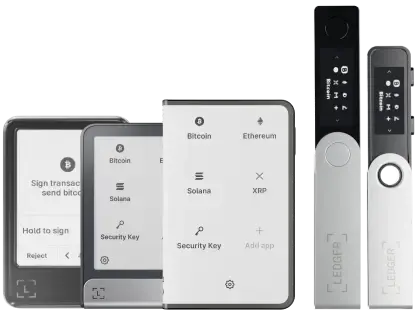

Meet Ledger Nano™ Gen5, the most playful signer yet

Discover now

VeChain
ARB

$0.302277

-1.32%
Rank 78
Price $0.302277 -1.32%
Volume(24h) $166,616,422
Market cap $1,649,109,484

VeChain PRICE USD CHART

VeChain price today

The price of VeChain (ARB) today is $0.302277, which has a variation of -0.17% over the last 24 hours. The 24 Hour Trading Volume of VeChain is $166,616,422

VeChain Market Cap

The current Market Cap ranking of ARB is #78, with a live market cap of $1,649,109,484.

What is the VeChain all time high?

VeChain hit an all time high of $2.39.

With a price of $0.302277 today, VeChain (ARB) is -87.35% from all time high.

What is the VeChain all time low?

VeChain had an all time low of $0.209573.

With a price of $0.302277 today, VeChain (ARB) is 44.23% from all time low.

Frequently Asked Questions

VeChain is a cryptocurrency and smart contract platform aimed at helping businesses manage their supply chains by interacting with the Internet of Things (IoT) devices. It enables manufacturers to add sensors to their goods, such as RFID tags, which can record data on the VeChain blockchain. The goal of VeChain is to use distributed ledger technology to simplify complex supply chain processes and information flow.


The Vechain network has two native tokens: VeChain Token (VET) and VeChainThor Energy (VTHO). The former is used to send currency over the VeChain network, while the latter is used to fuel smart contract transactions as energy or “gas.” This offers an added benefit of keeping the network costs stable as variables such as the quantity of VTHO required to service a transaction or VTHO generation rate can be adjusted by taking a community vote.

VeChain aims to enable any organization to create new types of decentralized applications or dApps on its blockchain. It is built on the VeChainThor blockchain, a high-speed, general-purpose smart contract distributed ledger platform that is meant to host enterprise-scale dApps and make the building of dApps easier. The VeChain team has also created a software development kit called the VeChain ToolChain.


For its smooth functioning, VeChain leverages the following:

  • Proof-of-Authority (PoA) Consensus Mechanism – VeChain uses a unique consensus technique known as Proof-of-Authority (PoA) for the maintenance of its blockchain and to ensure the transactions on the network are secure. VeChain’s PoA network consists of 101 Authority Masternodes responsible for maintaining the protocol and upholding the VeChainThor governance policy. Additionally, they are also responsible for securely processing the network transactions and ensuring smart contract operations are executed smoothly.


  • The Two Token Design – The VET token is used to store and transfer money, and the VTHO token is used to process blockchain transactions. This structure helps separate the price volatility of VET currency from the cost of network calculations, allowing VeChain apps to charge predictable fees.

VeChain began as a private consortium chain in 2015, collaborating with many businesses to examine the possibilities of blockchain technology. Sunny Lu and Jay Zhang co-founded it.


The VeChain team began transitioning to a public blockchain in 2017 with the launch of the ERC-20 token, VEN. However, in 2018, the team decided to rebrand VeChain Protocol to VeChain Thor. With the rebranding, the team wanted to expand VeChain’s scope of decentralized applications to innovate and add more general data solutions.


In 2017, the VeChain team launched their cryptocurrency, VEN, on the Ethereum blockchain as part of a crowd sale that raised $20 million and sold 1 billion tokens. When the VeChainThor blockchain was released in 2018, these tokens were replaced with VET tokens (also known as VET coins). At a 1:100 ratio, VEN tokens were exchanged for VET tokens.

Proof-of-Authority (PoA) is a consensus technique used by VeChain to verify and add transactions to VeChain’s public ledger. Under the PoA consensus mechanism, an impartial Steering Committee selects authority master node operators and grants them the ‘authority’ to manage a master node. These Authority Masternodes are users that verify and add transactions to the blockchain. To become one, individuals must stake a minimum of 25 million VET and provide identifying information to the VeChain Foundation.


The downside of relying on the PoA approach is that VeChain has to rely on a central authority to check the validity of users and then authorize who takes part in executing transactions. However, VeChain is working on reducing this reliability by randomizing the process of block creation on the blockchain. The implementation of the second generation of its Proof-of-Authority (PoA) consensus and the deployment of the blockchain-based voting platform — VeVote — are expected to be the next key upgrades on VeChain.


Online theft and fraud are often conducted not by attacking the blockchain network but by targeting users’ online/hot wallets to expose their private keys. Such malicious actors trick users into revealing their private keys or attack their system with malware.

Hardware/cold wallets overcome this vulnerability by storing private keys in physical storage devices cut off from the internet and, therefore, out of the reach of malicious actors.

Prominent cryptocurrencies like VET are available on many centralized exchanges and decentralized exchanges (DEXs). CEX users compromise complete ownership over their crypto assets, as they do not have access to the private keys of the wallets holding their funds. Most CEXs also require KYC information these days, which is not ideal for people seeking privacy over their online activity.


DEXs are ideal for investors who prefer privacy and ownership over their assets. However, there are still some loose ends on the security front when online wallets are used, as they may expose their private keys resulting in thefts and frauds. 


A Ledger hardware wallet saves your private keys offline and thus makes your crypto assets inaccessible for anyone except you in the event of a computer hack.


Currently, the Ledger Live app does not support buying/selling of VeChain (VET). However, here’s how users can safely store on a Ledger hardware wallet and send/receive VET tokens via the app:

  1. Get a Ledger hardware wallet.
  2. Download and install Ledger web or mobile application.
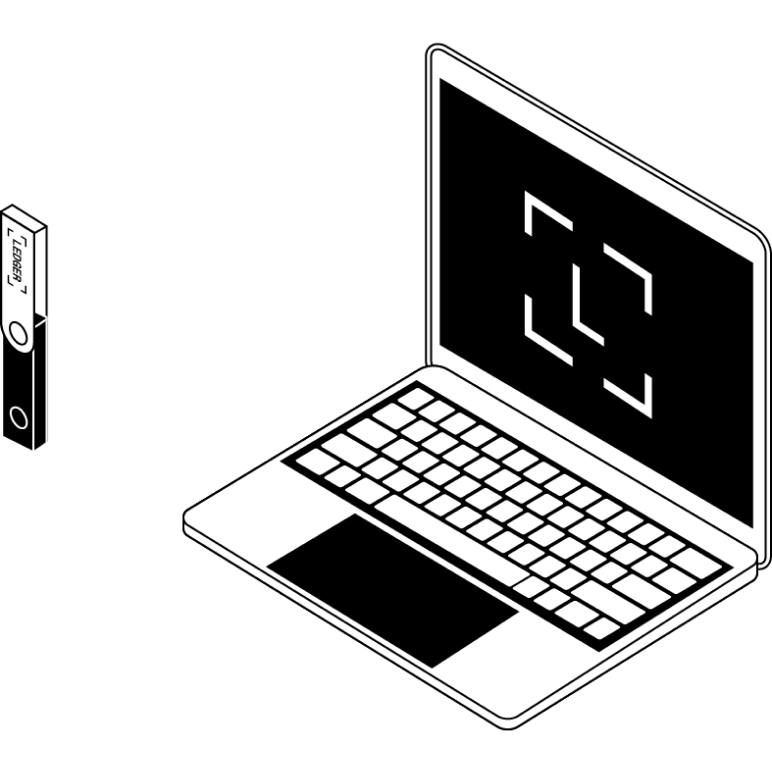
  3. Connect the Ledger app with the Ledger hardware wallet.
  4. Install the VeChain (VET) application from the app catalog.
  5. Send/receive VET tokens using Ledger Live.

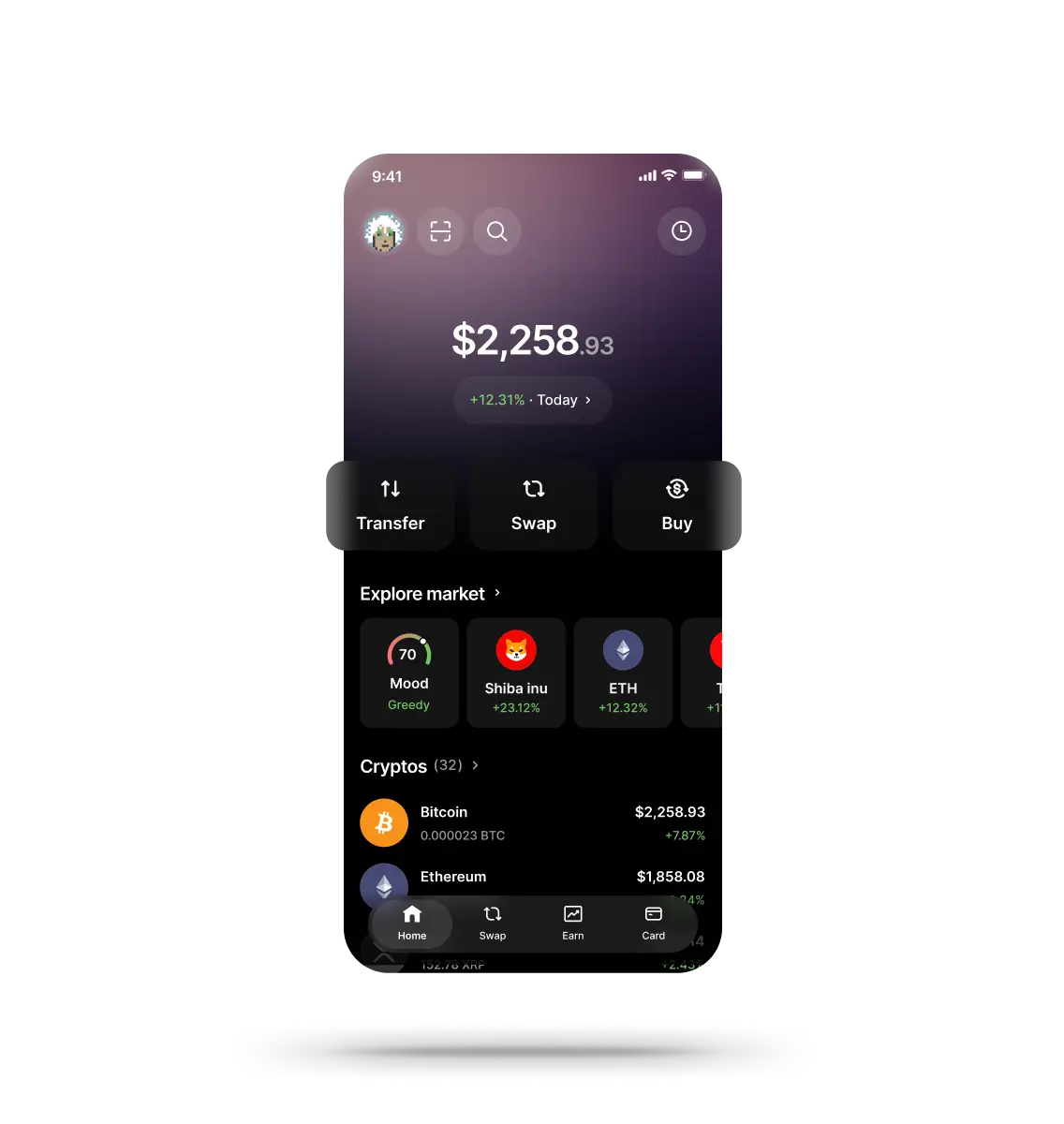
Ledger Wallet™
the all-in-one crypto app

Your assets. Your rules. Your future.

Available on Mobile & Desktop
Top up with ease

Top up with ease

Choose how you want to fund your accounts: Buy, Sell, Send, Receive.

Connect to dApps

Connect to dApps

Confidently navigate the DeFi landscape from a single secure space.

Diversify your assets

Diversify your assets

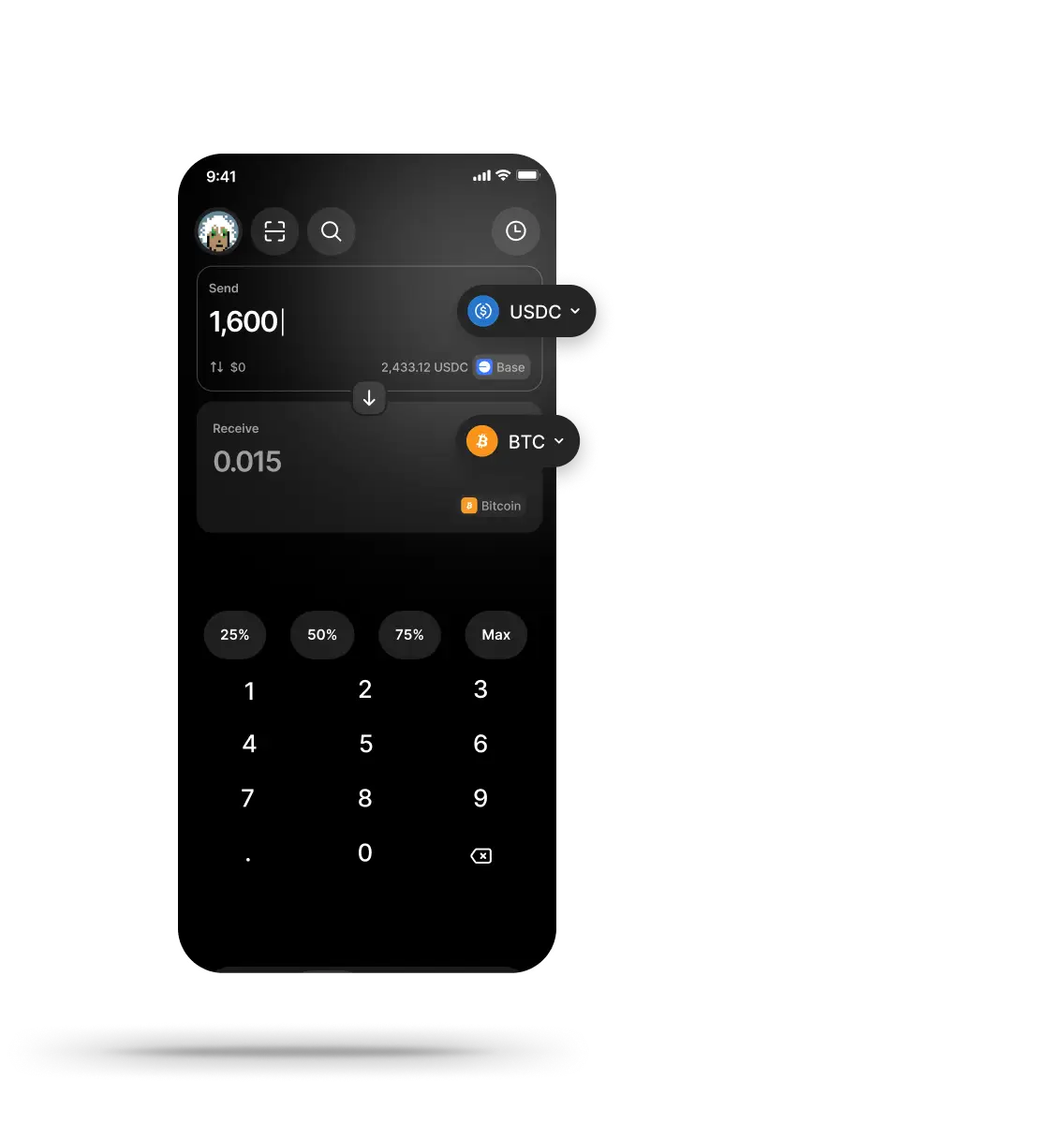
Swap securely across chains, CEX, DEX. Compare providers with clarity.

Grow your portfolio

Grow your portfolio

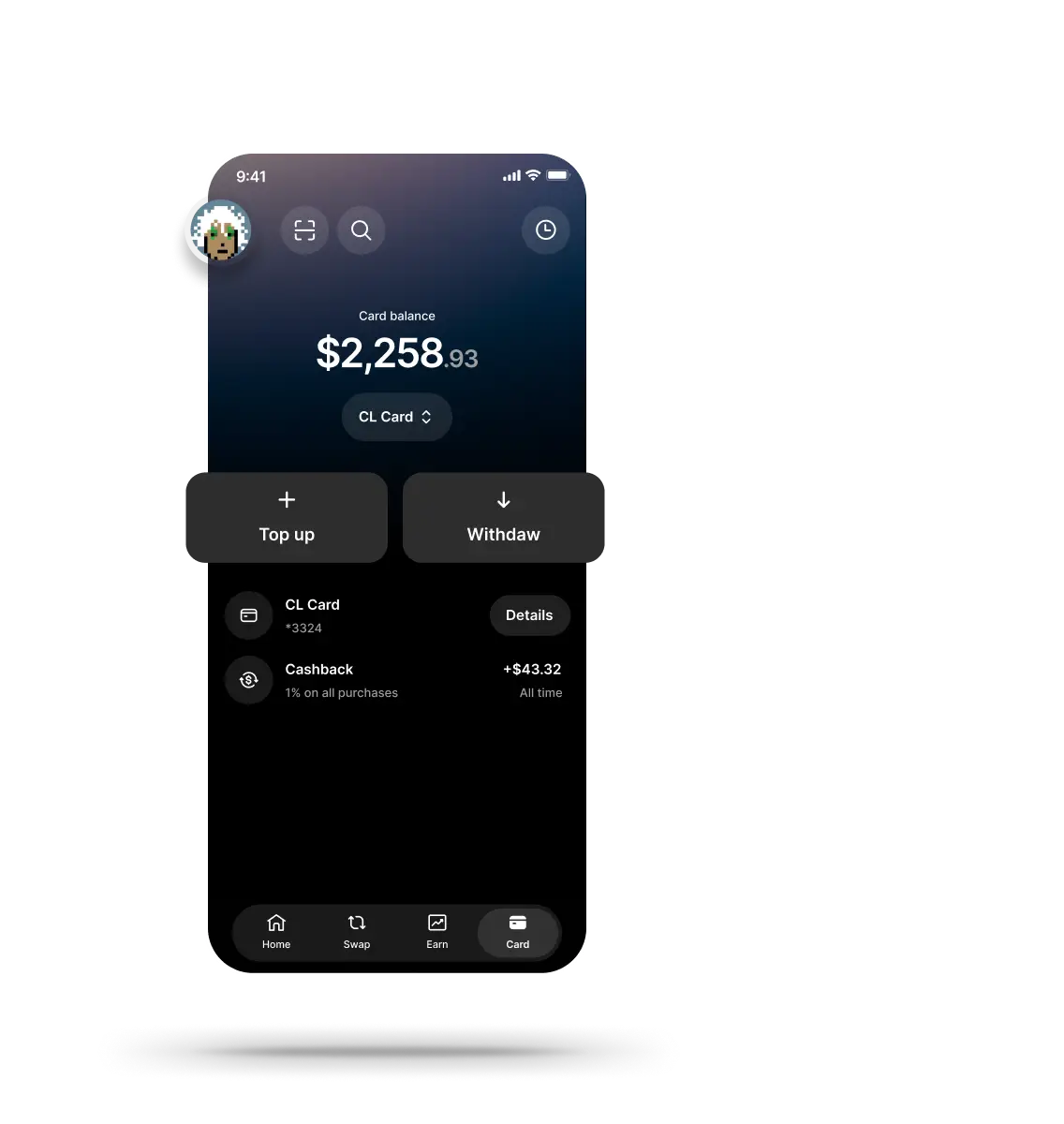
Put your crypto to work for you by staking. Earn cashback by shopping worldwide.

Ledger Wallet™ the all-in-one crypto app

Stay in touch

Announcements can be found in our blog. Press contact:
[email protected]

Subscribe to our
newsletter

New coins supported, blog updates and exclusive offers directly in your inbox


Your email address will only be used to send you our newsletter, as well as updates and offers. You can unsubscribe at any time using the link included in the newsletter. Learn more about how we manage your data and your rights.