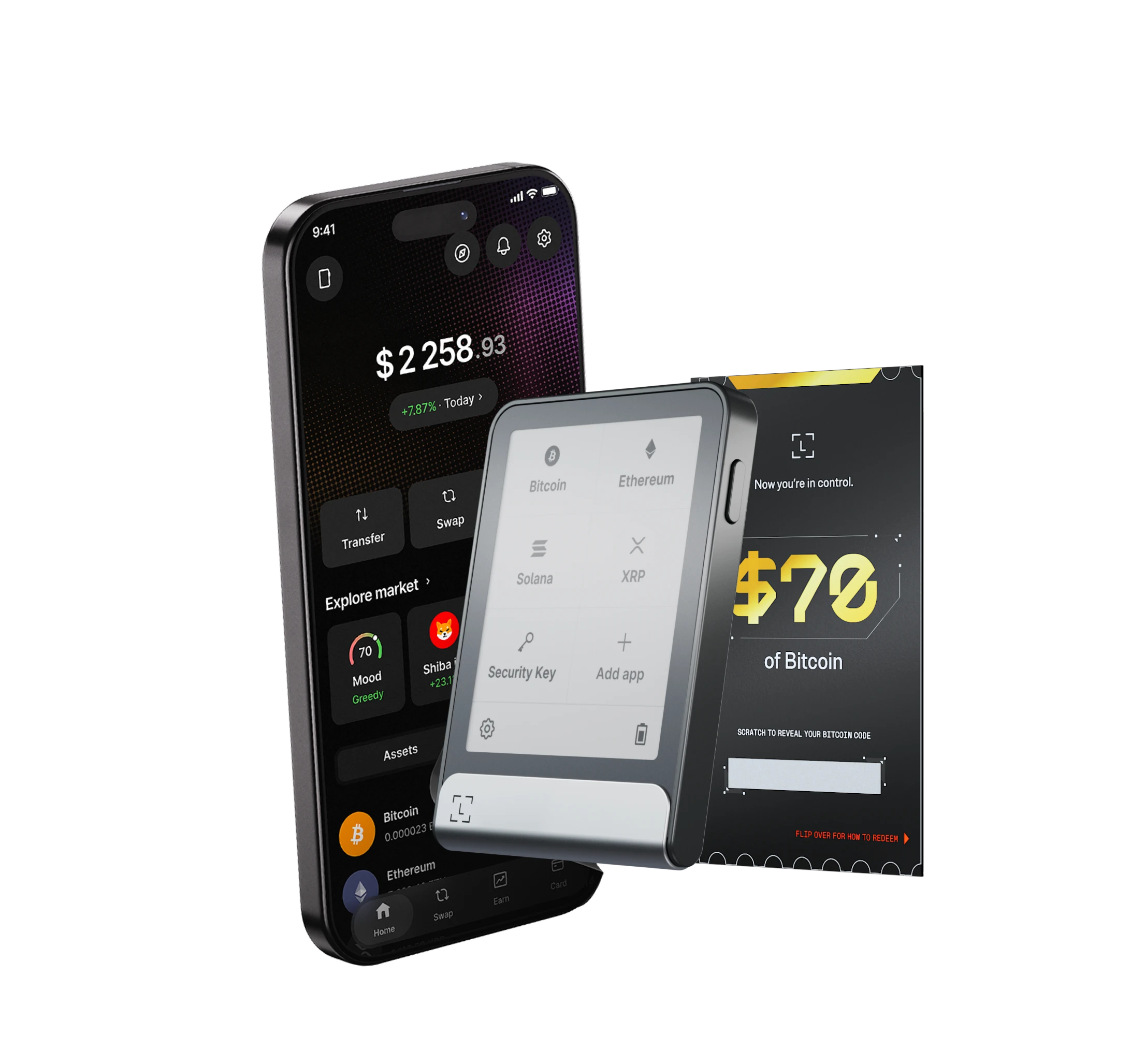

Ledger Wallet™ just got another major upgrade

Take control today

Beware of phishing attacks, Ledger will never ask for the 24 words of your recovery phrase. Never share them. Learn more

Ledger Crypto Wallets

Go beyond exchanges and software wallets

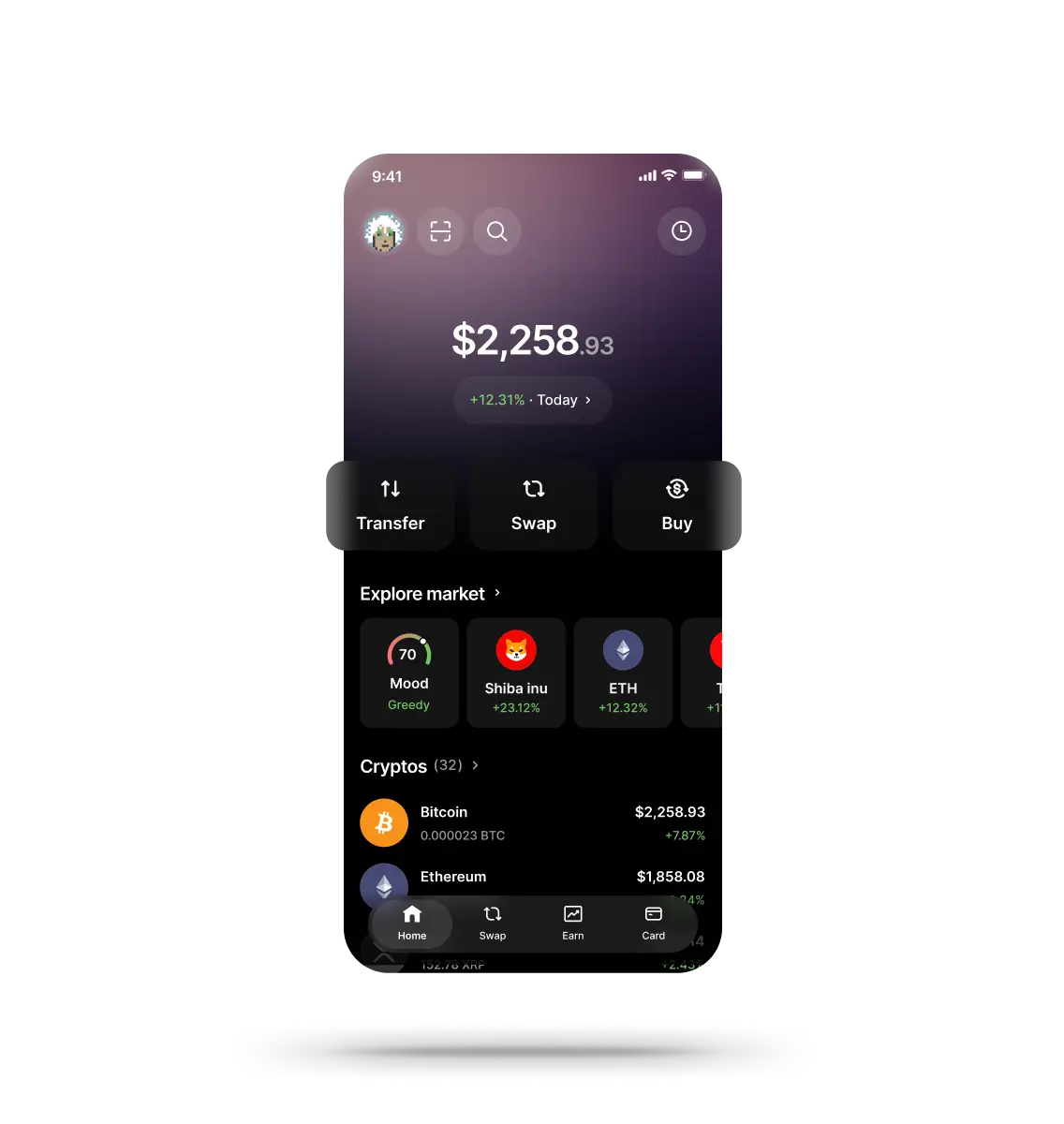
Buy, swap, earn, and more* with the security of Ledger signers & ease of Ledger Wallet™

  • ∼ 30% BTC +
    stablecoin secured

  • 8+ million
    signers sold

  • 165+ countries
    shipped daily

More clarity

Make smarter moves with real-time P&L insights, transaction history, and Crowd Favorites

More choice

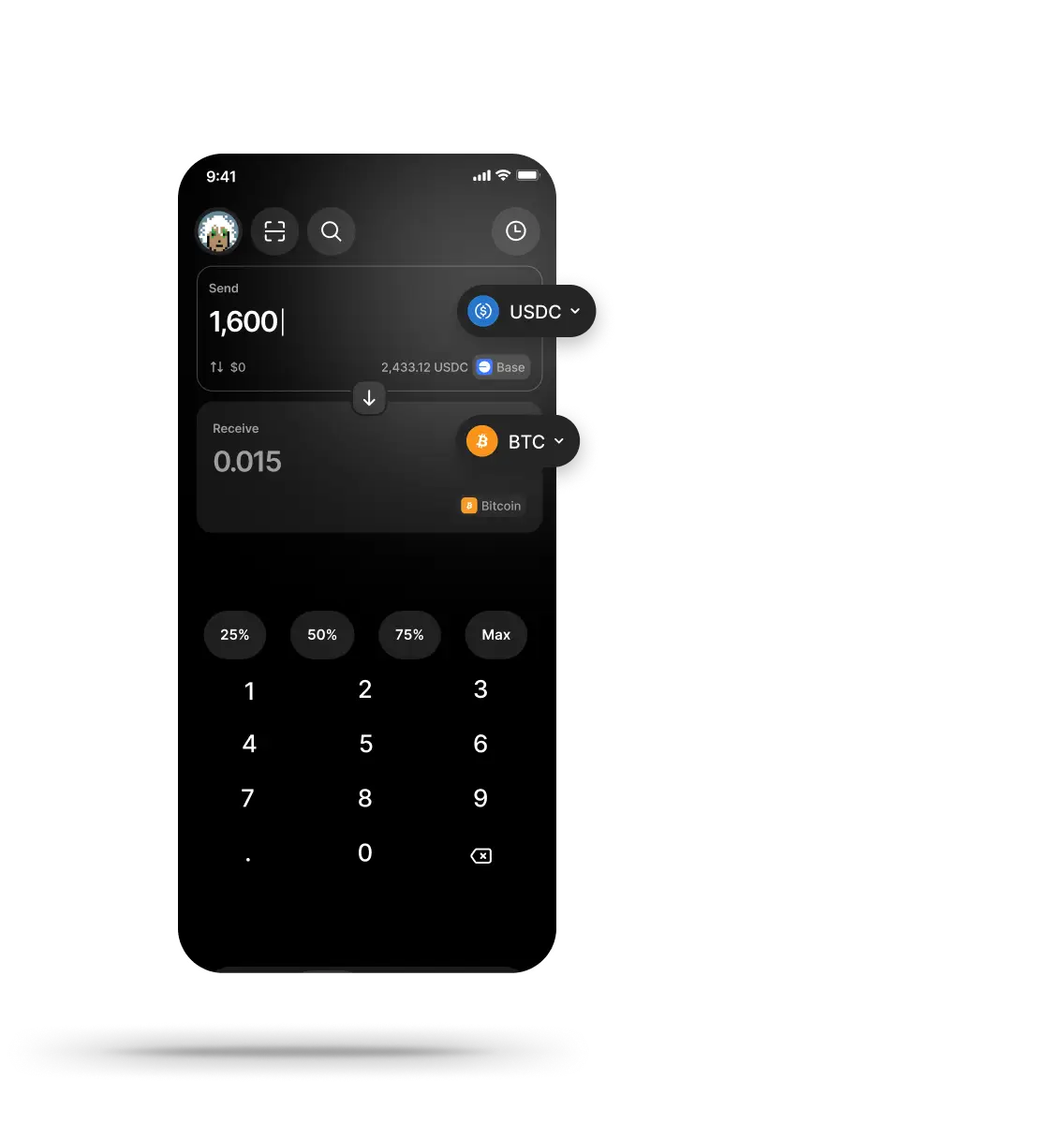
Compare 50+ providers’ rates across 100+ chains to get optimised deals

More control

Explore the Earn Simulator, convert Cash to Stablecoin, and add a layer of control with Ledger Recover™*

Not sure where to start?

Back up your access to your assets with ease

I’m new to crypto

Get started

I’m an active trader

Discover pro features

Your phone alone isn’t secure

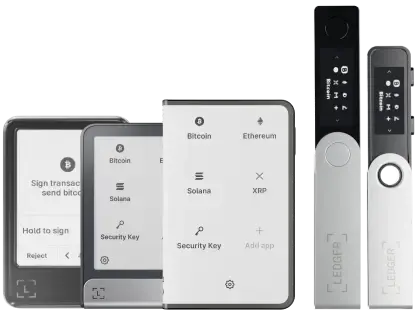
Only Ledger signers keep you safe. Don’t be a victim of identity theft or wallet drains.

Compare Ledger signers
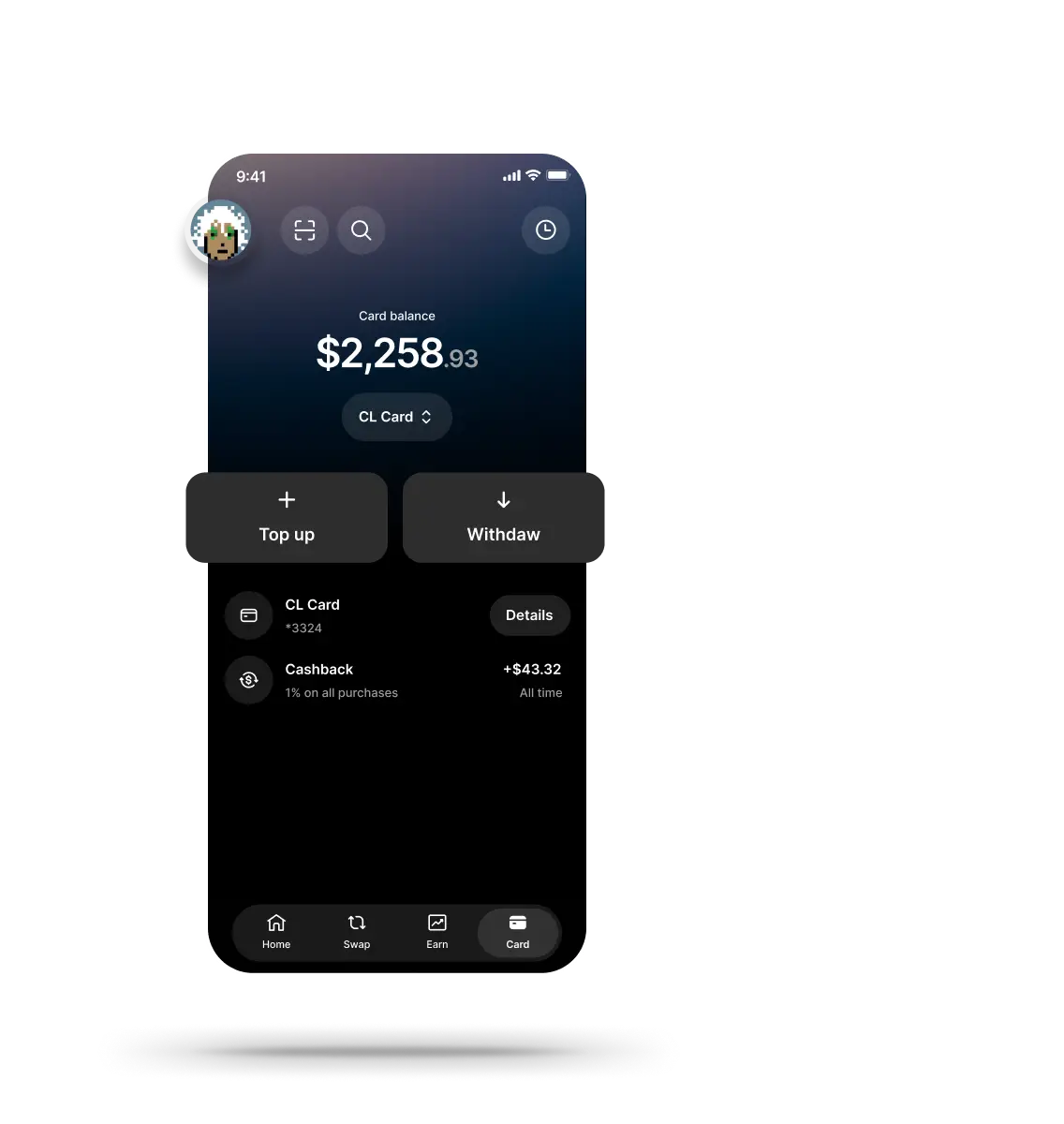
Get cashback. Use crypto daily

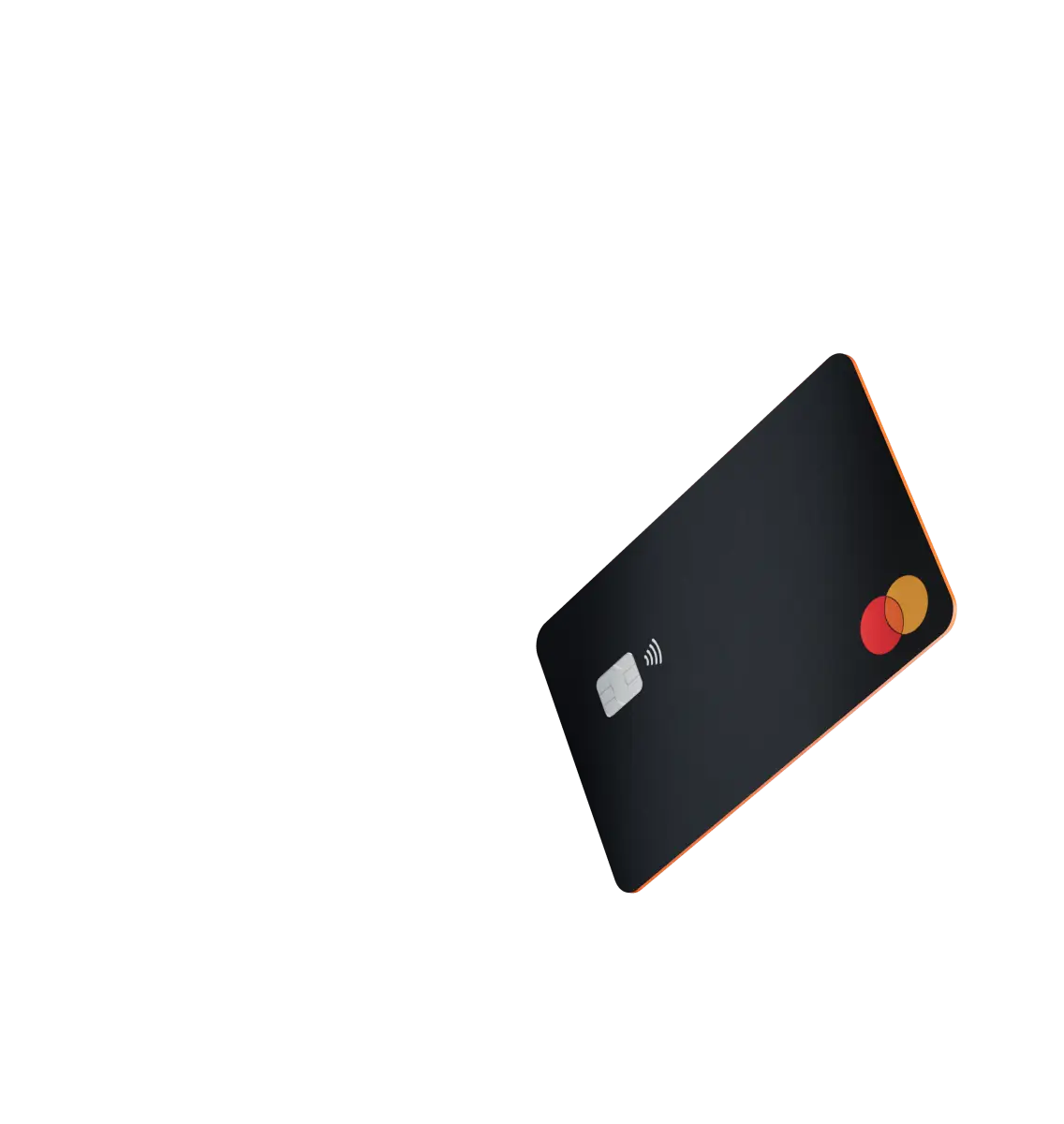
Pay everywhere you go with a simple tap. Collect rewards in stablecoins or BTC.

Free crypto card

Manage 15,000+ crypto daily

Bitcoin, Ethereum, Solana, XRP, stablecoins... you name it, it’s here.

One app for all your crypto moves

Send, receive, buy, trade, earn, and more* with live P&L insights, live market alerts, and 50+ top providers across 100+ chains via Ledger Wallet™

Discover the app

Make informed decisions

Compare popular options like Stablecoin Yield*, Midas investment strategies, and high velocity cross-chain swaps to build your bag with clarity.
Discover the app

Futureproof your wealth

Explore your portfolio’s potential with Earn Simulator. Top it up with Cash-to-Stablecoin. Protect what you’re building with Ledger Recover™*.

Moonpay Revolut 1inch Near Figment Kiln 50+
Discover the app

Countless happy customers

“Ledger = peace of mind. I'm sure some of us know that unsettling feeling when you know you need a Ledger but haven't quite organized yourself to get it sorted. If I did it all again, I'd start with having a Ledger.”

Janet Onagah @Janet_Oganah

"I got hacked in January and lost 1000s worth of NFTs. I felt disgusted, lost, and willing to quit. Until my friend told me he's ordering a Ledger. So, we bought the duo deal. Since then, I've been sleeping."

PrimeNic.eth @primenic_eth

“I use multiple Ledgers. Different colours = different uses.Public Wallet. Never touch long term storage. Day to day fund holdings. A back up just in case.”

winny.eth @winnyeth

"I have 3 Ledgers. Hot Wallet: minting/drawings etc. Main wallet: store most NFTs. Vault wallet: cold storage of crypto."

2160 @rekt2160

“I have 5 Ledger total. My personal NFT bag. 1 for testing. And 1 for each of my 3 daughters.”

Fanzo 🧢 11.11.22 @iSocialFanz

"If I could, I would name my Ledger Hagrid. Cause it's the keeper of my keys."

Petrica Butusina @PetricaButusina

"My Ledger is already called "Stew". As it is the steward who looks after my crypto & NFTs, so I can sleep at night."

Lkmland Crypto 💫 @LkmlandCrypto

"Ledger makes cold storage downright easy. My NFTs land infinitely safer and I don’t have to feel as paranoid about connecting to new smart contracts."

Matt Oney @MattOney93

FAQ

Find answers to some of the most common questions.

Thinking about buying crypto or NFTs? You’ll need a crypto wallet.

When you create a wallet, two keys are generated: a private one and a public one. The wallet stores your keys and enables you to sign transactions, generate new addresses, initiate transfers, track portfolio balances, manage your crypto, and interact with dApps.

Crypto wallets come in many forms, from hardware wallets, like Ledger’s, to mobile apps that you can download on your phone or tablet.

When you buy crypto like Bitcoin and Ethereum, you’re issued two keys: one is public and the other is private.

The public key can be compared to a bank account number that you can share with third parties to receive crypto without worrying that your assets will be compromised.

The private key signs transactions and allows you to send and receive crypto. It’s crucial to keep your private keys secure and secret. If anyone has access to them, they will also have access to any crypto assets associated with those keys.

A crypto wallet stores your private keys and gives you access to your assets.

There are different types of crypto wallets, each with its own benefits and drawbacks.
Hot wallets are connected to the internet and usually convenient to use, however, they are also vulnerable to online attacks. Examples include web-based, mobile, and desktop wallets. Cold wallets keep your private keys offline and out of reach of online threats. Examples include paper and hardware wallets.

Wallets can also be categorized as custodial or non-custodial, depending on who holds the private keys. Storing your crypto in a custodial wallet means that a third party controls your private keys and, therefore, your assets. In contrast, non-custodial wallets, like Ledger’s, enable you to fully own and control your crypto.
Hot wallets store private keys on systems connected to the internet, which makes them susceptible to online attacks. Keeping your crypto on an exchange also means you have no true ownership or control over it. If the exchange files for bankruptcy or pauses withdrawals, you lose access to your funds.

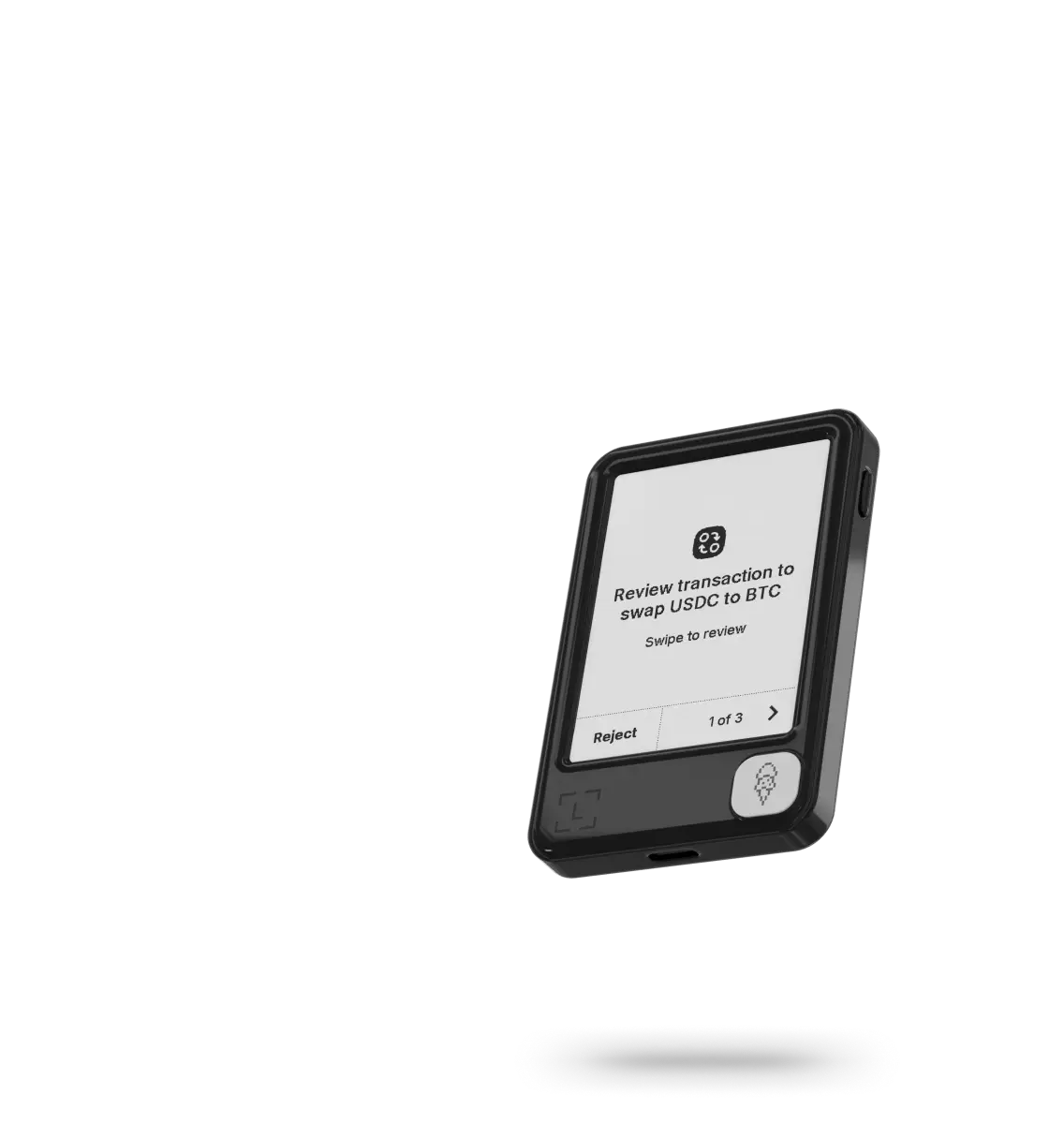
Hardware wallets store your private keys offline, giving you full control and enhanced security. Even if you misplace or lose your hardware wallet, you can get a new one and use your Secret Recovery Phrase to access your assets.

Ready to get started? Here are the steps for getting your crypto wallet:

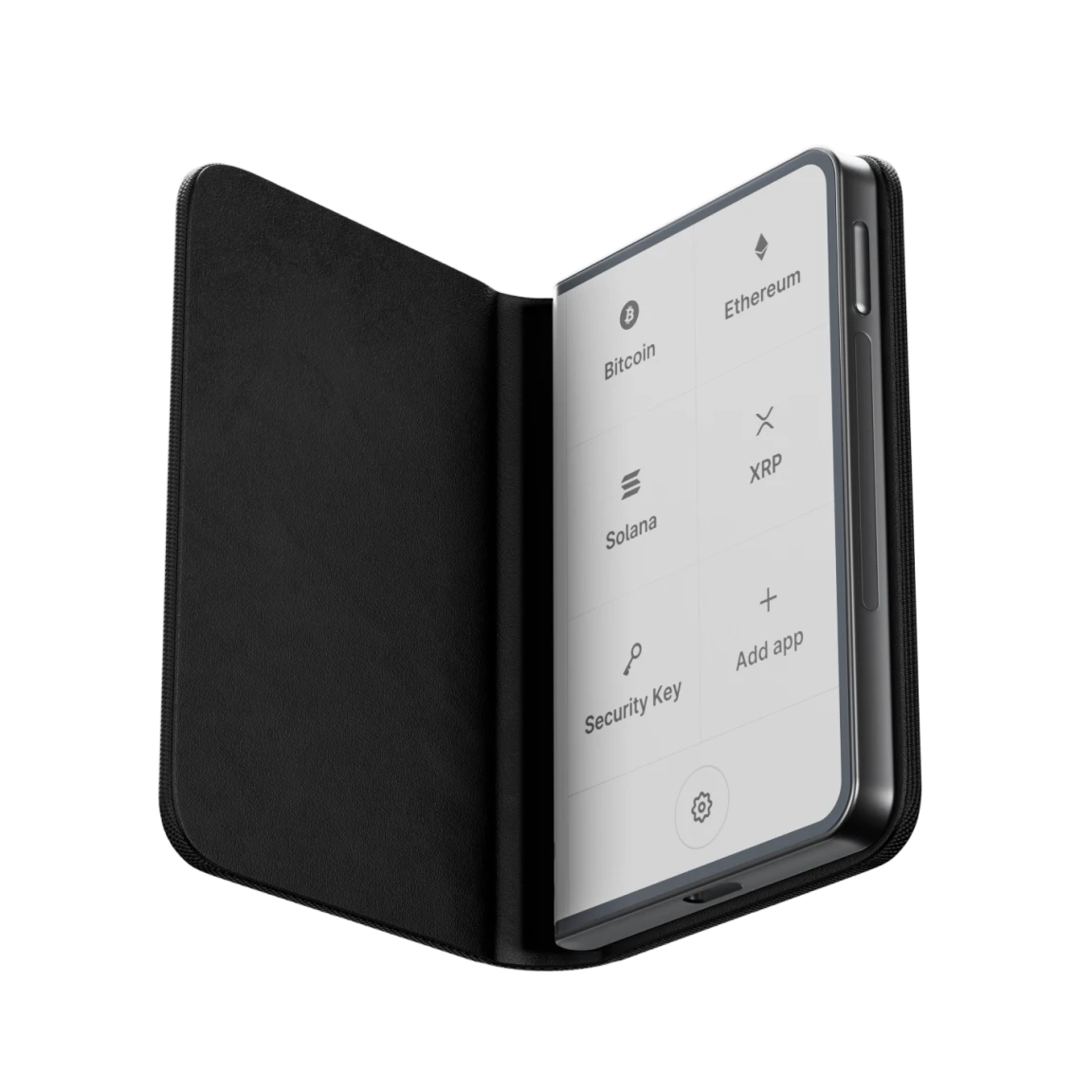
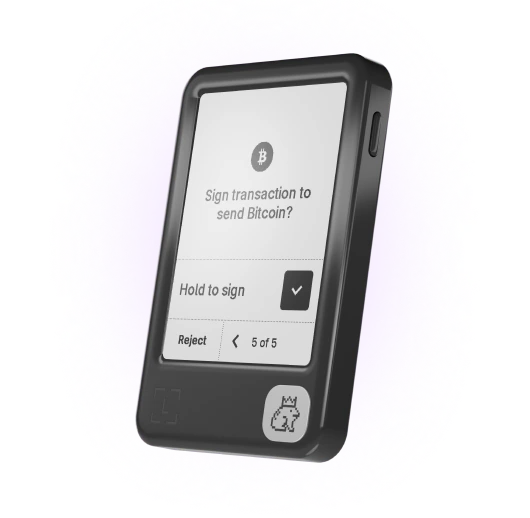
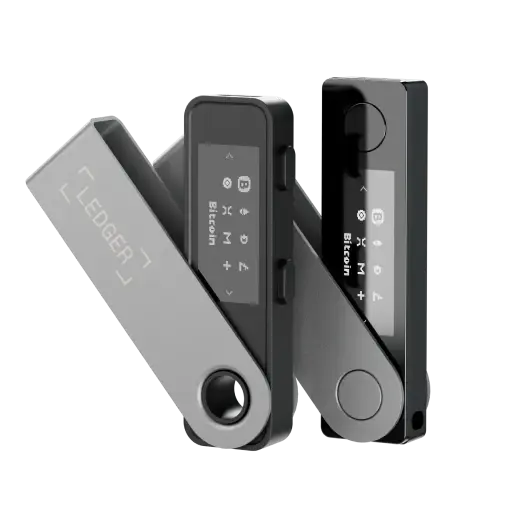
  1. Get a Ledger hardware wallet. It stores your private keys in a secure, offline environment giving you peace of mind and complete control over your assets. All Ledger crypto wallets are powered by an industry-leading Secure Element chip, together with Ledger’s proprietary OS that protects your crypto & NFTs from sophisticated hacks.
  2. Pair your Ledger crypto wallet with the Ledger Wallet app to easily manage your crypto, keep track of your portfolio, and securely access a wide range of dApps and Web3 services. All in one convenient place!
  3. Add crypto to your Ledger wallet. Ledger has integrated leading third-party providers to make it possible to buy, swap, stake, and manage crypto through the Ledger Wallet app. Your crypto will be sent to the safety of your Ledger hardware wallet.

Thinking about buying crypto or NFTs? You’ll need a crypto wallet.

When you create a wallet, two keys are generated: a private one and a public one. The wallet stores your keys and enables you to sign transactions, generate new addresses, initiate transfers, track portfolio balances, manage your crypto, and interact with dApps.

Crypto wallets come in many forms, from hardware wallets, like Ledger’s, to mobile apps that you can download on your phone or tablet.

When you buy crypto like Bitcoin and Ethereum, you’re issued two keys: one is public and the other is private.

The public key can be compared to a bank account number that you can share with third parties to receive crypto without worrying that your assets will be compromised.

The private key signs transactions and allows you to send and receive crypto. It’s crucial to keep your private keys secure and secret. If anyone has access to them, they will also have access to any crypto assets associated with those keys.

A crypto wallet stores your private keys and gives you access to your assets.

There are different types of crypto wallets, each with its own benefits and drawbacks.
Hot wallets are connected to the internet and usually convenient to use, however, they are also vulnerable to online attacks. Examples include web-based, mobile, and desktop wallets. Cold wallets keep your private keys offline and out of reach of online threats. Examples include paper and hardware wallets.

Wallets can also be categorized as custodial or non-custodial, depending on who holds the private keys. Storing your crypto in a custodial wallet means that a third party controls your private keys and, therefore, your assets. In contrast, non-custodial wallets, like Ledger’s, enable you to fully own and control your crypto.

Hot wallets store private keys on systems connected to the internet, which makes them susceptible to online attacks. Keeping your crypto on an exchange also means you have no true ownership or control over it. If the exchange files for bankruptcy or pauses withdrawals, you lose access to your funds.

Hardware wallets store your private keys offline, giving you full control and enhanced security. Even if you misplace or lose your hardware wallet, you can get a new one and use your Secret Recovery Phrase to access your assets.

Ready to get started? Here are the steps for getting your crypto wallet:

  1. Get a Ledger hardware wallet. It stores your private keys in a secure, offline environment giving you peace of mind and complete control over your assets. All Ledger crypto wallets are powered by an industry-leading Secure Element chip, together with Ledger’s proprietary OS that protects your crypto & NFTs from sophisticated hacks.
  2. Pair your Ledger crypto wallet with the Ledger Wallet app to easily manage your crypto, keep track of your portfolio, and securely access a wide range of dApps and Web3 services. All in one convenient place!
  3. Add crypto to your Ledger wallet. Ledger has integrated leading third-party providers to make it possible to buy, swap, stake, and manage crypto through the Ledger Wallet app. Your crypto will be sent to the safety of your Ledger hardware wallet.

Discover what
security feels like

Choose your signer

Stay in touch

Announcements can be found in our blog. Press contact:
[email protected]

Subscribe to our
newsletter

New coins supported, blog updates and exclusive offers directly in your inbox


Your email address will only be used to send you our newsletter, as well as updates and offers. You can unsubscribe at any time using the link included in the newsletter. Learn more about how we manage your data and your rights.