
Bitcoin Mining at Home: A Practical Guide

| KEY TAKEAWAYS: |
| — Bitcoin mining has shifted from a hobby anyone could do at home to a tough, high-tech industry where big companies with high-tech equipment rule. — To mine Bitcoin at home, you’ll need gear like ASIC miners and cooling systems, costing anywhere between $2,000 to $25,000 to set up. — Home mining helps keep Bitcoin secure and private, but it’s hard to make significant returns due to high costs and competition. |
Mining Bitcoin at home sounds like a dream: run a computer, earn digital gold, but the reality is more complicated.
Today, BTC mining has dramatically evolved.
Powerful, specialized computers called ASICs (Application-Specific Integrated Circuits) dominate mining, and professional operations with vast data centers and cheap electricity have taken over.
This shift has made it increasingly difficult for average home miners to turn a profit. Despite this, BTC mining remains vital for Bitcoin’s security and decentralization, making it still relevant today.
Let’s dive a little deeper and understand what’s special about bitcoin mining, how it all works, and how you can mine bitcoin at home.
What is Bitcoin Mining?
Bitcoin mining is how new bitcoins (BTC) are created and secured. At its core, it’s a decentralized Proof of Work (PoW) mechanism for reaching consensus (agreement on the true state of the blockchain) without any central authority.
Bitcoin miners use powerful, specialized computers called ASIC miners to solve a cryptographic puzzle. In Bitcoin, transactions are grouped together into units called blocks. The first one to solve it (either solo or as part of a pool) gets to add the next block of transactions to the blockchain and earns the block reward: newly minted Bitcoin (currently 3.125 BTC) plus transaction fees.
So why does Proof of Work matter? It makes the network secure and trustworthy by requiring real computational effort, preventing double-spending, and enabling predictable issuance of new Bitcoin without a central bank.
Let’s break down how that actually works.
Proof of Work: How BTC Mining Secures the Network
Proof of Work secures Bitcoin by making attacks extremely expensive.
For instance, to tamper with the blockchain or reverse confirmed transactions, an attacker would need to control more than 50% of the network’s total computing power, called a 51% attack. Even then, the cost in electricity and hardware would be enormous, and honest miners would quickly reject the invalid chain.
This competition also ensures everyone stays in sync. Miners independently verify every transaction and block according to the same rules. The result is a transparent, tamper-resistant ledger that no single entity controls.
BTC Block Reward
Every block mined adds new Bitcoin to circulation as an incentive for miners. The current block reward is 3.125 BTC, introduced after the 2024 halving.
Halvings reduce the rate of new Bitcoin issuance, making Bitcoin more scarce over time. About every four years (every 210,000 blocks), the reward halves. It’s designed to control Bitcoin’s total supply, which is capped at 21 million. The next halving is expected around April 2028, when the reward will drop to 1.5625 BTC.
How Does Bitcoin Mining Work?
Bitcoin mining is a continuous, competitive process where miners race to solve a cryptographic puzzle and add the next block to the blockchain.
Bitcoin Hash
Every candidate block holds three things: a list of pending transactions, the previous block’s hash, and a variable number called a nonce. Miners feed all of this into Bitcoin’s SHA-256 algorithm, over and over, until they find a valid hash.
That process takes roughly 10 minutes per block. Every 2,016 blocks, about two weeks, the network recalibrates. More miners join? The puzzle gets harder. Miners drop off? It eases up. The difficulty always adjusts to keep that 10-minute window consistent.
Verifying Transactions
Before a miner can attempt the puzzle, they verify every transaction in their candidate block. That means checking digital signatures, confirming no Bitcoin is being double-spent, and making sure all network rules are met. Only valid transactions make the cut.
Thousands of independent miners verify every transaction without any central authority. Once you start earning mining rewards, you’ll want to store them safely in self-custody. Learn what a crypto wallet is and why it matters.
Types of Bitcoin Mining
Depending on your budget, technical comfort, and goals, you can mine Bitcoin solo, join a pool, or even rent computing power through cloud mining. Let’s understand each of these methods.
Solo Mining vs. Pool Mining
Solo Mining means you run your ASIC miners independently. If you successfully solve a block, you keep the entire block reward (currently 3.125 BTC plus transaction fees) all to yourself. The catch? The odds of finding a block alone are extremely low, especially for a home setup.
Pool Mining connects your mining power with hundreds or thousands of other miners. Everyone works together to solve blocks, and the reward is split proportionally based on how much computing power each contributed. Pools charge modest fees (typically 1–2.5%), but you get smaller, more frequent payouts.
Cloud Mining
Cloud mining offers a different approach: you rent computing power from a remote data center instead of buying and running your own ASIC miners. The provider handles hardware, electricity, cooling, and maintenance. You just pay a fee and receive a share of any Bitcoin mined.
While this may sound easy, in practice, there are serious risks. Many cloud mining services are scams or ponzi schemes that don’t actually own any mining hardware. Plus since you do not control the equipment, you can’t optimize efficiency or resell the hardware.
If you choose cloud mining, research the provider thoroughly. Look for transparency about their mining facilities, verifiable track records, and real customer reviews. For most home miners, pool mining with your own hardware is safer and more transparent.
How to Mine Bitcoin at Home: Setup Guide?
If you’re wondering “How can I mine bitcoin”?, you’re in the right place. While Bitcoin mining is still popular, there are a few essential things you need to consider before you set up the hardware for it.
Bitcoin mining used to be possible from anywhere with a computer. As Bitcoin grew, the network automatically made mining harder to control supply. Today, it requires powerful, specialized equipment and huge amounts of electricity, which is why big companies with data centers dominate.
Still, home mining matters. It helps keep Bitcoin decentralized, gives you full control over your rewards, and keeps your earnings private. Here’s what you need to know to set up your own BTC mining at home.
Essential Hardware: ASIC Miners
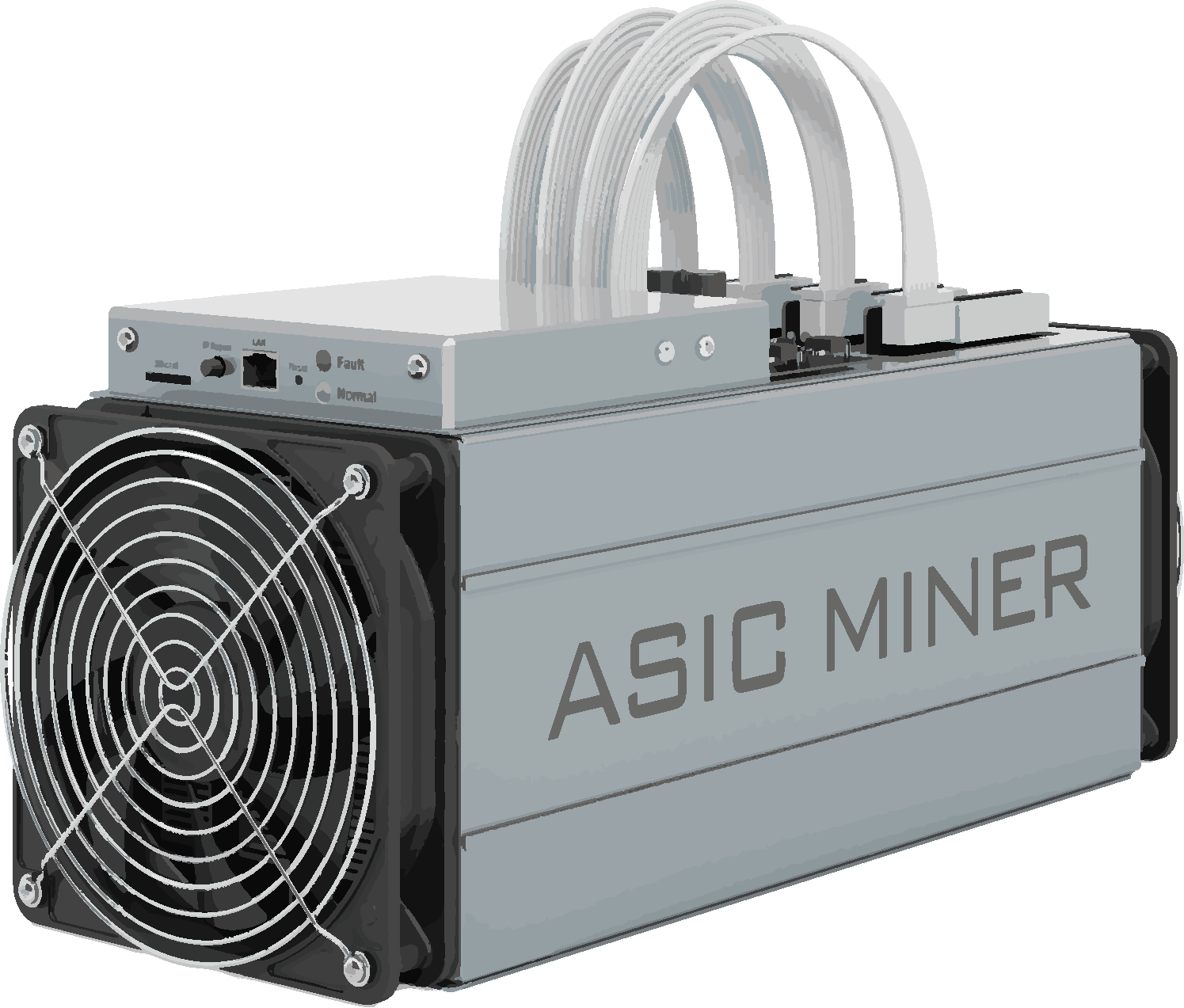
ASICs are the standard for profitable Bitcoin mining. These specialized machines focus only on Bitcoin’s SHA-256 hashing algorithm.
This algorithm helps turn data to a secure code to protect and verify transactions, providing unmatched efficiency compared to traditional computers.
Popular ASIC manufacturers include Bitmain (Antminer), MicroBT (Whatsminer), and Canaan (AvalonMiner). High-performing models like the Antminer S21 Pro (234 TH/s) or Whatsminer M66S (298 TH/s) offer excellent efficiency, measured in joules per terahash (J/TH).
These devices typically cost anywhere from $2,000 to more than $17,000.
Power Supply Units (PSUs) and Electricity Costs
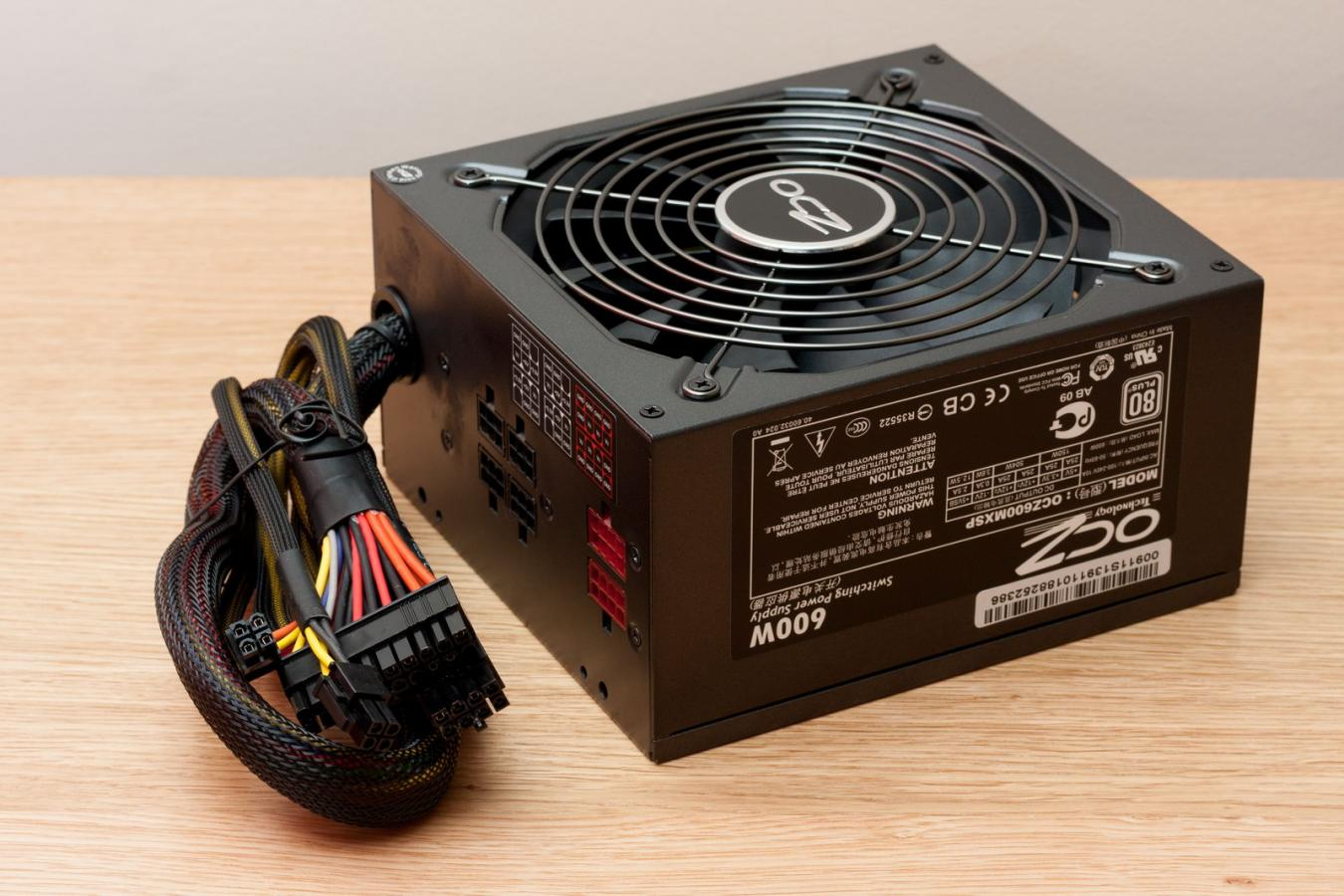
ASIC miners typically require separate, specialized PSUs. Selecting a PSU involves considering:
- Wattage: Choose a PSU rated at least 20% higher than the miner’s continuous power consumption.
- Efficiency: Higher efficiency reduces wasted electricity and operational costs.
- Voltage and Input: Most mining PSUs run optimally on 200-250VAC, necessitating adequate home electrical setups.
PSUs will typically run you between $50 to $300, depending on wattage and efficiency.
But the real ongoing cost is electricity. A typical ASIC MINER pulls 3,000–4,000 watts continuously.
At 17.65 ¢/kWh (the current U.S. national average residential electricity rate), you’ll incur about $445 a month just to keep your setup running.
Bitcoin rewards from a home setup rarely cover that, especially once you account for pool fees and competing against industrial miners running thousands of machines. At $0.05/kWh, the bill drops to $126, and at $0.20/kWh, you’d be spending $504 a month in electricity, which is more than most home Bitcoin miners ever earn back.
Most home miners need electricity rates below $0.05/kWh to turn a profit.
Beyond the PSU, you’ll need cooling solutions, a reliable wired Ethernet connection, temperature monitors, surge protectors, and maybe a backup generator as an option. You could expect to budget $630–$5,850 for these extras, though advanced cooling or a high‑end generator can push that to $5,000–$10,000+. $50 to $300, depending on wattage and efficiency.
But the real ongoing cost is electricity. A typical ASIC MINER pulls 3,000–4,000 watts continuously.
Managing Heat & Noise Control
ASICs generate significant heat. Effective thermal management includes:
- Proper location: Well-ventilated, cool spaces away from living areas.
- Enhanced airflow: External fans, dedicated ducting, or modern HVAC setups.
- Immersion cooling: Submerging ASICs in specialized coolant can eliminate noise, significantly reduce heat, and extend hardware life.
Basic cooling fans can cost $50–$500, depending on size and power, while immersion cooling setups might run $2,000–$10,000 for a home operation.
ASIC miners are super loud (75-90 dB), so you need soundproofing, a separate space like a garage, or special cooling to keep the noise down for a peaceful home. Noise mitigation strategies include:
- Soundproofing with acoustic materials.
- Relocating miners to garages, basements, or external structures.
- Advanced cooling methods like immersion cooling for noise elimination.
Soundproofing materials can cost $100–$1,000 for a small setup, while building an external structure might range from $500–$5,000, depending on size and materials.
Is Bitcoin Mining Profitable at Home?
The short answer is: it depends. Your profitability comes down to three main factors: your electricity rate, your hardware’s efficiency, and the current Bitcoin price and network difficulty.
For most home miners, profits are razor‑thin unless you have cheap electricity.
- Below $0.05/kWh: you might make a small profit.
- At $0.10/kWh: a single ASIC MINER could lose money each month.
- At $0.20/kWh or higher: you’re almost guaranteed to operate at a loss.
Use an online profitability calculator to enter your electricity rate, hardware specs, and Bitcoin price. It will give you a realistic, up‑to‑date estimate before you spend a dime on equipment.
Hardware Efficiency and Hashrate
Not all ASIC MINERS are created equal. Efficiency is measured in joules per terahash (J/TH); the lower the number, the better. For example, an Antminer S21 Pro runs at about 17.5 J/TH, while older models like the S9 consume over 90 J/TH. That’s a massive difference in electricity cost for the same hashrate.
Hashrate is your miner’s raw speed, measured in terahashes per second (TH/s). Higher hashrate means more guesses per second, increasing your chance of earning rewards. But chasing high hashrate without watching efficiency is a trap, so you could end up paying more for power than you earn.
As a home miner, aim for the best J/TH you can afford. A slightly lower hashrate with much better efficiency often wins over the long run.
Bitcoin Price and Network Difficulty
Bitcoin’s price directly affects your mining revenue. When the price goes up, your fixed BTC rewards become more valuable. When prices drop, profits shrink or disappear.
As of April 2026, the Bitcoin network difficulty sits at approximately 139 trillion with a global hashrate around 1,000 EH/s. The protocol automatically adjusts difficulty every 2,016 blocks (about two weeks) to keep blocks arriving roughly every 10 minutes.
For home miners, a difficulty increase means your share of the reward pool shrinks unless you upgrade hardware or find cheaper power. That’s why many home miners join pools, steady payouts help smooth out the ups and downs of difficulty and price.
How Much Time To Mine 1 BTC?
Solo mining with even a high-end home rig would take decades (or longer) because the odds of solving a full block alone are extremely low. In a pool you earn small, regular payouts proportional to your hashrate share, but reaching a full 1 BTC still requires very low electricity costs, patience, and often multiple efficient ASICs.
Also remember the Bitcoin halving cuts your block reward in half every four years. What was profitable in 2024 may not be in 2028. Many home miners treat it as a hobby or a way to support the network rather than a primary income source.
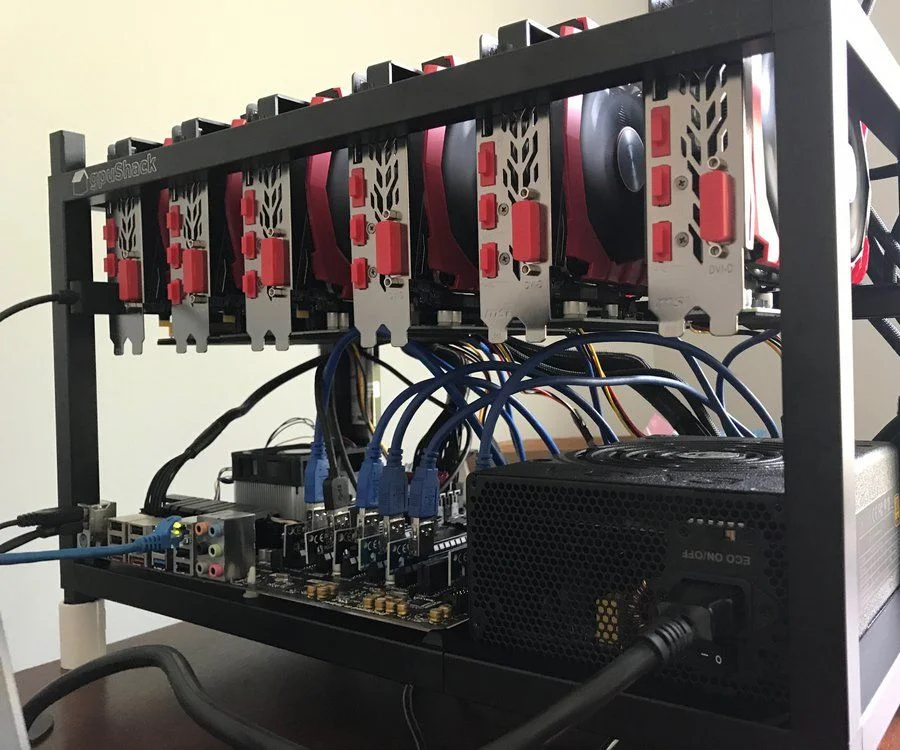
A complete home BTC Mining setup
Storing Your Bitcoin Mining Rewards Safely
You’ve mined Bitcoin, now protect it. Leaving rewards on an exchange or in a mining pool’s internal wallet is risky. Exchanges get hacked, pools can go offline, and you don’t control the private keys.
The safest option is self‑custody: you hold the keys, you control the coins. For mined BTC, that means moving your rewards regularly to a Bitcoin hardware wallet you own.
There are two main types of wallets. Hot wallets are software‑based (mobile or desktop), and while this may be convenient, these wallets are connected to the internet, which makes them vulnerable to hackers.
Signers, on the other hand, store your private keys offline, making them nearly impossible to steal remotely. Ledger signers protect 20% of global digital asset value and have never been hacked. Let’s take a closer look at why you’ll need one to store your BTC mining rewards.
Why You Need a Hardware Wallet Or Signer to Protect Your Bitcoin
Mining rewards are your payout for hard work and electricity bills. Losing them to a hack or a simple mistake would be devastating. A Ledger signer gives you bank-grade security in your own hands, without the need to trust any exchange or third party to manage your digital assets for you.
For serious Bitcoin miners, a Ledger signer is the gold standard to protect your rewards long-term.
Unlike a software (hot) wallet, a Ledger signer keeps your private keys inside a certified secure chip that never touches the internet. Even if your computer gets infected with malware, your Bitcoin stays safe. You physically confirm every transaction on the signer’s secure screens using Clear Signing, Ledger’s feature that translates complex transaction details into plain, human-readable text. What you see is exactly what you sign.
It works seamlessly with mining pools. Just generate a fresh receive address directly from your Ledger signer and set it as your payout address in the pool dashboard; every payout lands straight into secure self-custody with no extra steps.
Once your Bitcoin is safely on your Ledger, you can do even more with it directly inside Ledger Wallet, things like:
- Earn BTC yield through the integrated Figment dApp with Lombard: deposit your BTC to receive LBTC (a yield-bearing tokenized Bitcoin) and start earning rewards while keeping full self-custody.
- Set up DCA (Dollar Cost Averaging) recurring buys straight in Ledger Live to automatically grow your Bitcoin stack on a schedule.
If you’re mining any meaningful amount of Bitcoin, a Ledger signer is the best insurance you can buy.
